Exercise
In manual mode take a sequence of shots of a subject of your choosing at different times on a single day. It doesn’t matter if the day is overcast or clear but you need a good spread of times from early morning to dusk. You might decide to fix your viewpoint or you might prefer to ‘work into’ your subject, but the important thing is to observe the light, not just photograph it. Add the sequence to your learning log together with a timestamp from the time/date info in the metadata. In your own words, briefly describe the quality of light in each image.
Outcome
Approach
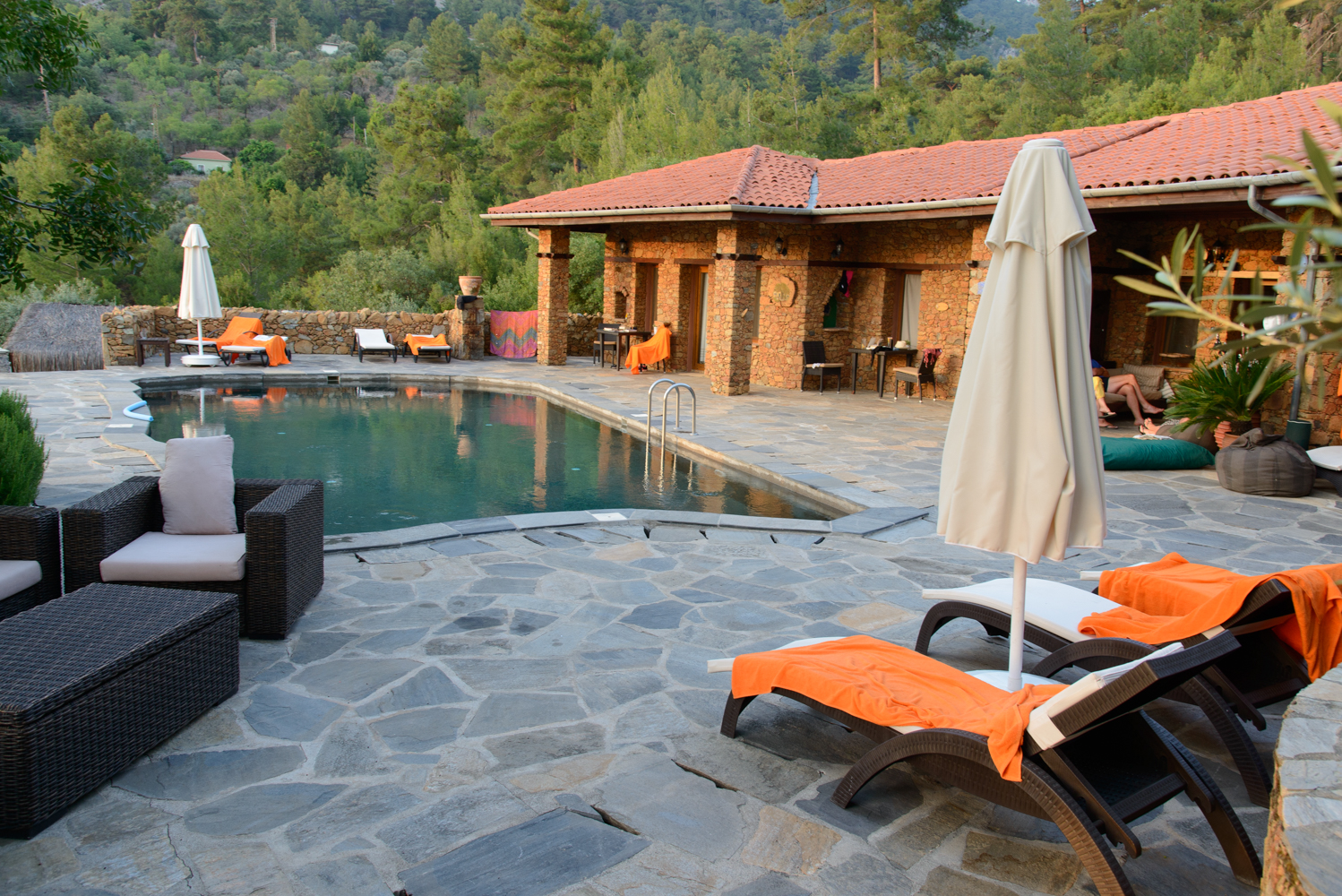
I took these images during a stay in the Turkish Mountains near Dalaman. All the images were taken from the same standpoint, with approximately the same framing and on the same day. I aimed to take an image every two hours. Weather on the day was brilliant sunshine for the whole day.
The images were shot in RAW and processed in lightroom however this was simply to convert them to jpeg format, I have made no adjustments to the images at all as I wanted to show the impact of the changing light, rather than correct it.
Images and Assessment
06:20
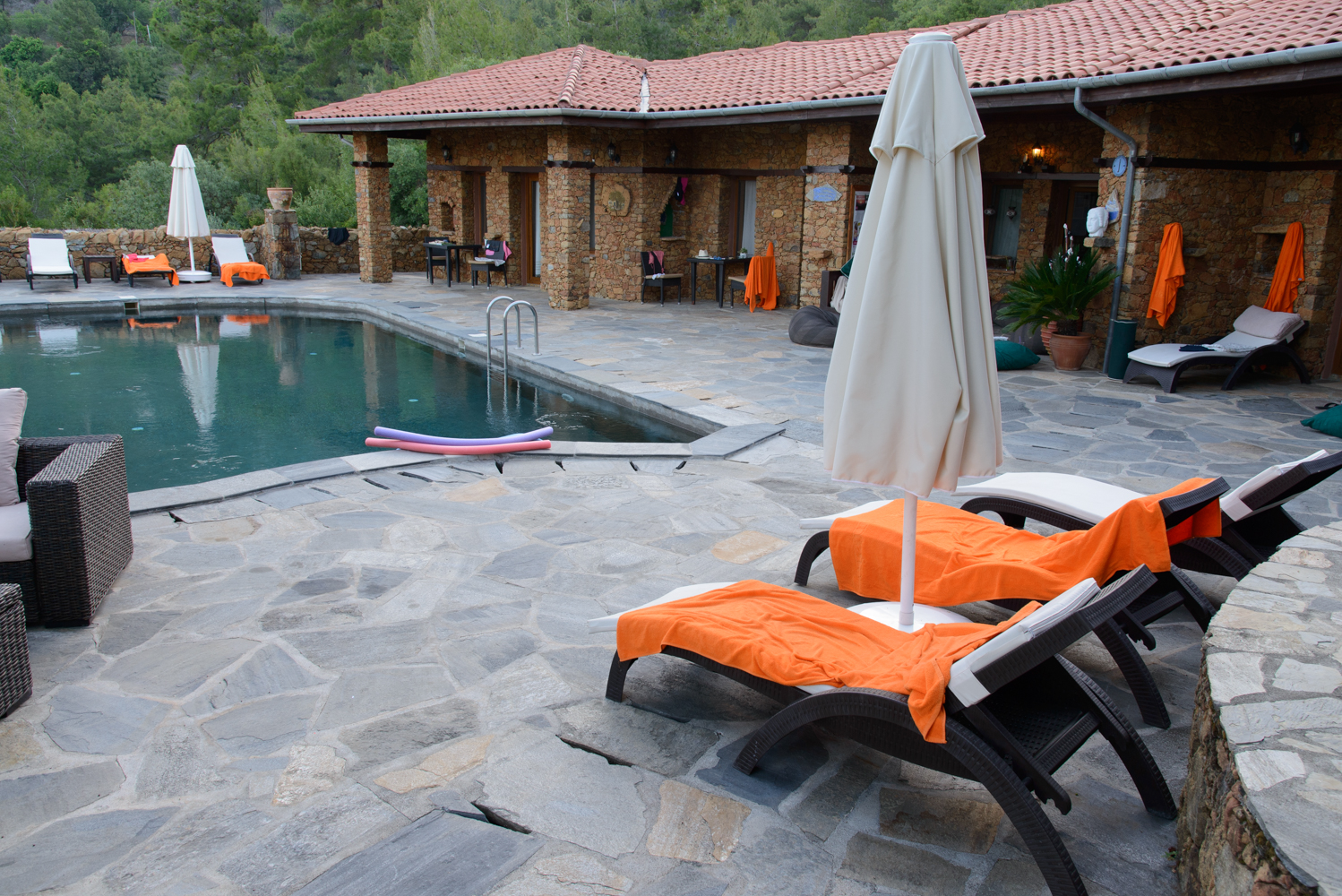
This is the first image of the day. Daylight has been reached but the sun is not yet visible in the sky. The light is very soft and defused with hardly any shadow visible anywhere. Colours are muted, there is a general grey look to the image. This would be a good time to take a factual, emotion free image – perfect for Schmidt’s style.
08:04

In this image the sun has made it into the sky, there are flares in the image showing that the sun is approximately face on to the camera.
Where the sun is striking, the areas are obviously lighter but they are also richer in colour; the general grey look to the image has gone. Some areas are not in direct sunlight and therefore these are now in shadow. There is a fair amount of contrast in the image and the light now looks quite harsh. The light is white, there is no apparent yellow / orange tint.
10:18

In this image sun has moved further overhead as shown by the shadows receding. The light is harsher than the previous image, the edges of the shadows, in particular the shadow cast by the roof, is a sharper edge.
The light has started to yellow slightly and overall this creates an aesthetically more pleasing image to the one before it. Looking at this image I am left feeling like it is a nice warm holiday location.
13:24
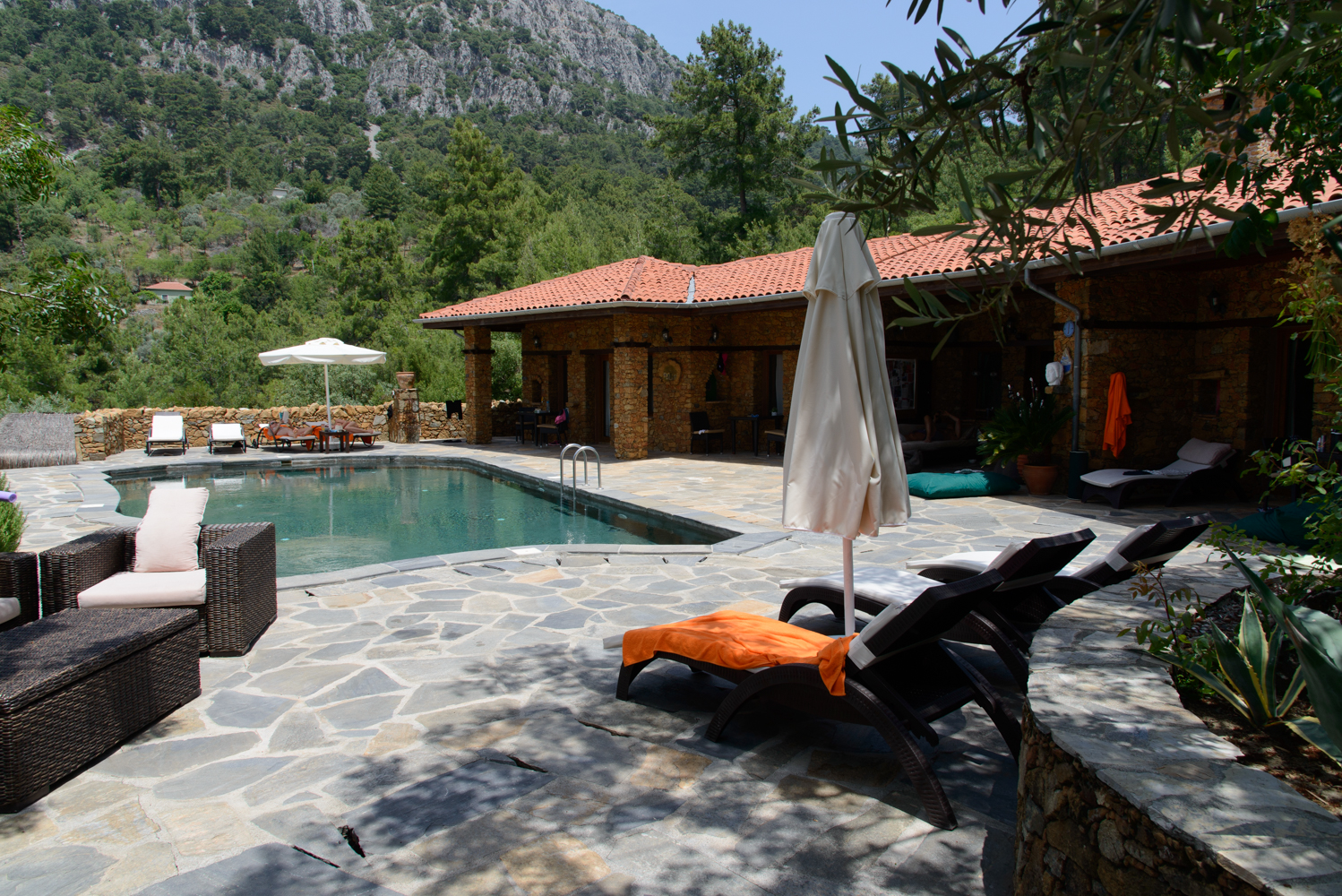
In this image the sun has moved even further overhead as shown by the movement of the shadows. The light in terms of its harshness and colour looks similar to the preceding image.
15:22
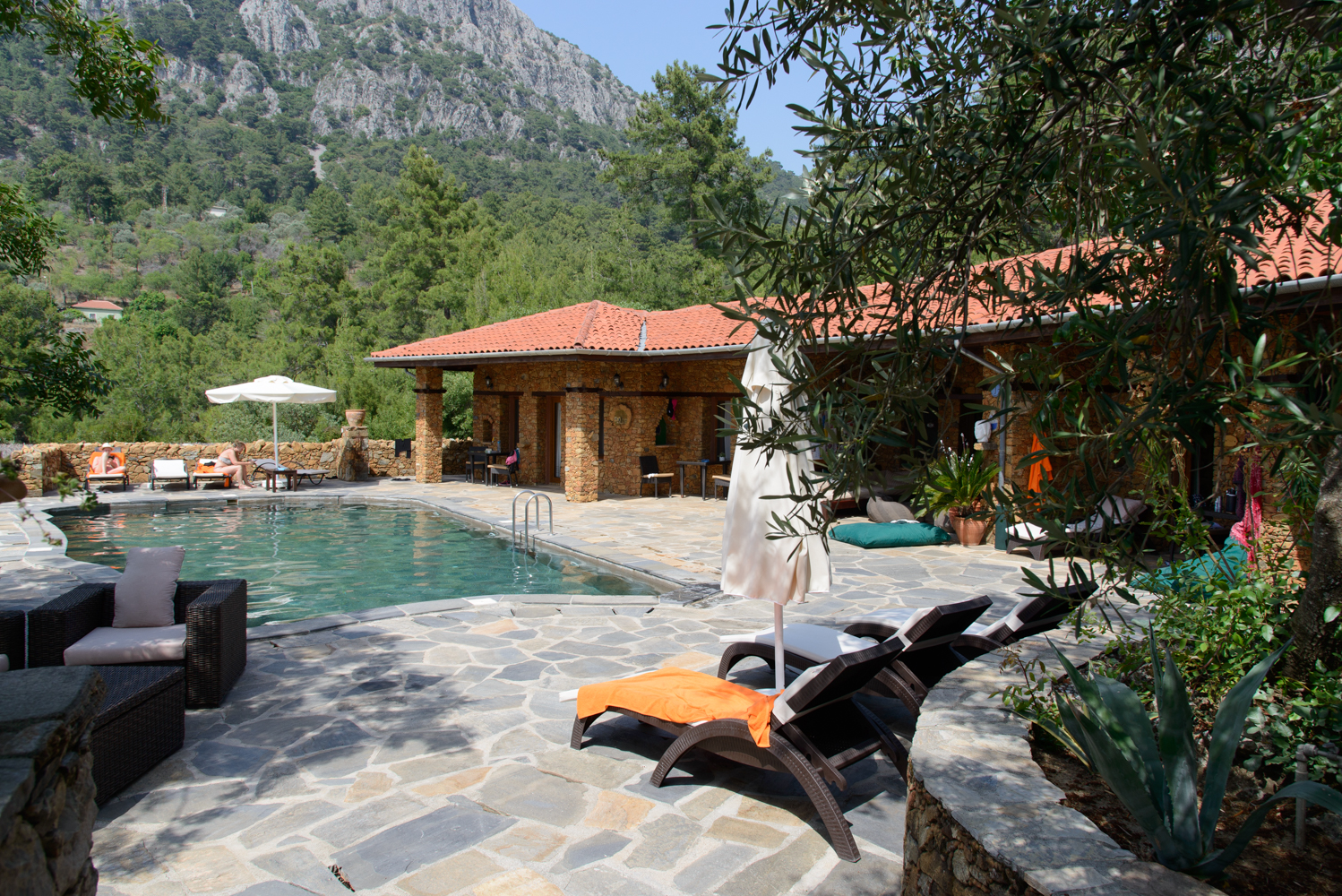
The biggest change to this image is caused by the movement of the sun to a point that the front of the building is now out of shadow. This change has caused the image to look significantly less contrasty, a far more neutral image is produced and this is making the light look softer (although I suspect it is not yet softer at this stage in reality).
Looking at the roof of the building, there is no apparent change in colour of the light but colours of objects such as the towel appear slightly washed out.
17:16
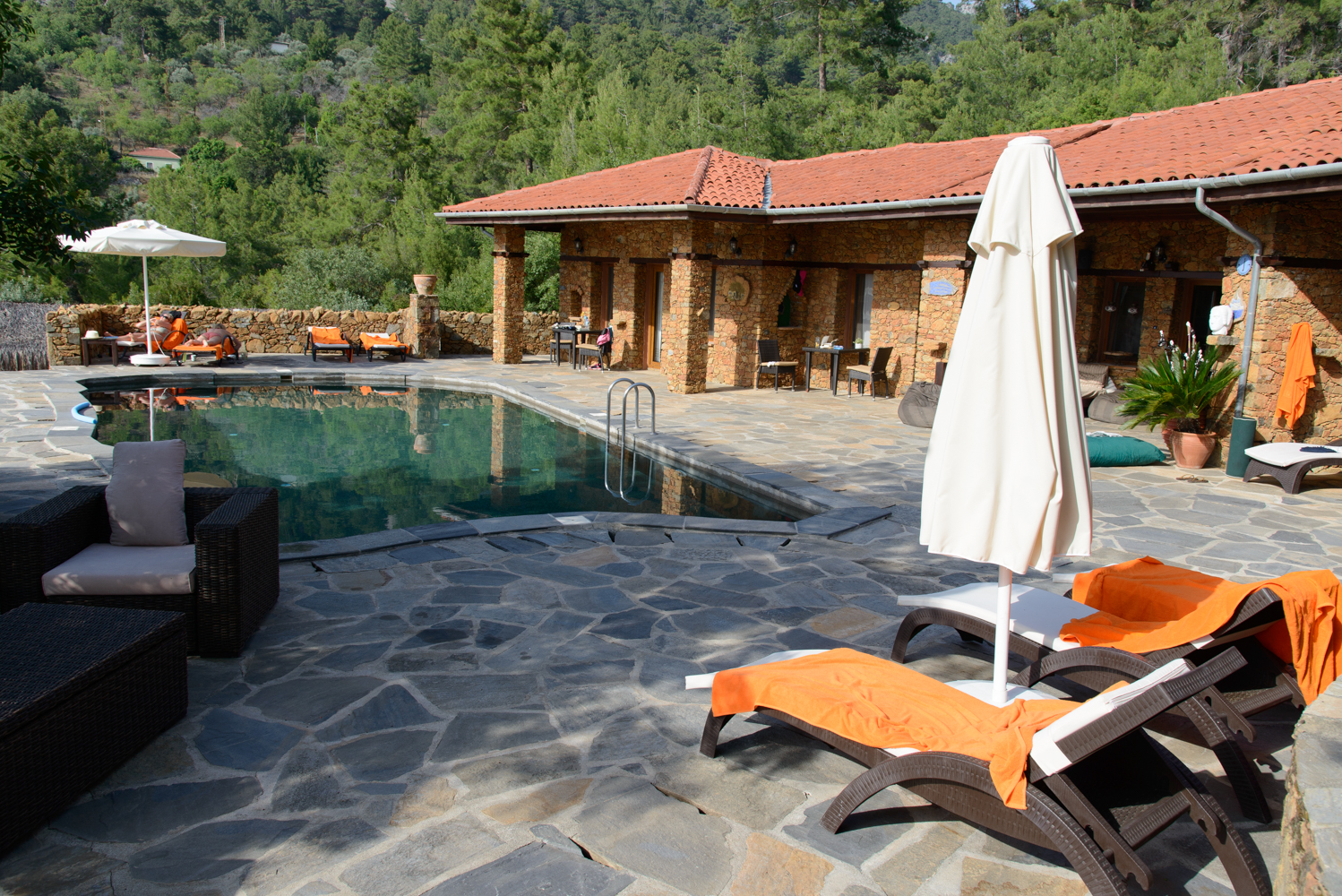
In this image, the sun has clearly started to drop in the sky, this is shown by the shadows caused by the objects on the left. These shadows are quite soft at their edges and in their contrast compared to the non shadow areas and this indicates that the light is softer.
Colour wise, there is a noticeable orange tint to the image at this stage. Colours of the objects in the sun are not quite as bright as they had been in previous images such as 13:24.
19:10

Although the face of the building is in direct light, most of the scene is now in shadow as the sun has dropped very low in the sky. This is confirmed further by the very strong orange tint to the image that is typical of what is often seen at a sun set.
The light is still string enough to create contrast between direct light and shadow and colours of objects are rich and deep.
19:47
In this image the sun has dropped below the horizon but it is still light. The scene maintains an orange tint caused by the sky itself. There are no shadows as there is no longer any direct light, the scene is neutral in its contrast just like the first image of the day where the day was light but the sun was still not visible.
Although the image is similar in contrast to the 06:20 image, this image is different as there is still a richness to the colours in the scene, whereas the 06:20 image appeared quite grey in nature.
Learning Points
As the light changed during the day, the following changes were visible:
- Hard / Soft Light – when no direct sunlight is in shot, the images are neutral, even and soft. When sunlight is present, the hardness of the light does vary and can be seen at the edges of shadows. Choosing a time of day to make deliberate use of the hard or soft light could be an input into a picture.
- Direction – as the sun moves, the shadows move. This could be important if a shadow is spoiling a particular shot, then waiting for a different time of day could remove the problem.
- Colour – As the day progressed, the light changed from grey, to white, to orange. In adidition to the colour cast that this can create, there is also an impact to the richness of all of the colours in the scene. At the start of the day colours were muted, in the middle of the day they started to wash out, by the end of the day there was a rich glow to all colours.
All of these variables tend to change together but not fully. For example, a neutral soft image can be obtained at the start of the day if the grey cast is not an issue. A similar image could be obtained at the point the sun is directly overhead and shadows are minimised.
Time selection of image capture is clearly important depending upon the effect that is desired. I would previously have considered the weather of the day in choosing when to shoot an image but, other than aiming to capture a sunset, I would not have considered light in the detail described here. Coupling this learning with the knowledge gained in my research of Schmidt and Mann creates a new set of parameters to take into account with my photography.