Exercise
Use a combination of small apertures and wide lens to take a number of photographs exploring deep depth of field. Because of the small apertures you’ll be working with slow shutter speeds and may need to use a tripod or rest the camera on a stable surface to prevent ‘camera shake’ at low ISOs. Add one or two unedited sequences, together with relevant shooting data and an indication of your selects, to your learning log.
Outcome
As stated in Exercise 2.6, I wanted to complete this exercise in the same location so that I could see the difference the technique makes to the photographs typically taken in a given location. There are two series which mirror the same series used in the previous exercise, except of course, with a wide lens and a small aperture.
Westonbirt
Images captured are shown below. Winter light was quite low when I was taking these pictures and I did not have access to a tripod at the time, as a result, ISO levels have been pushed relatively high however this has not detracted from the exercise.
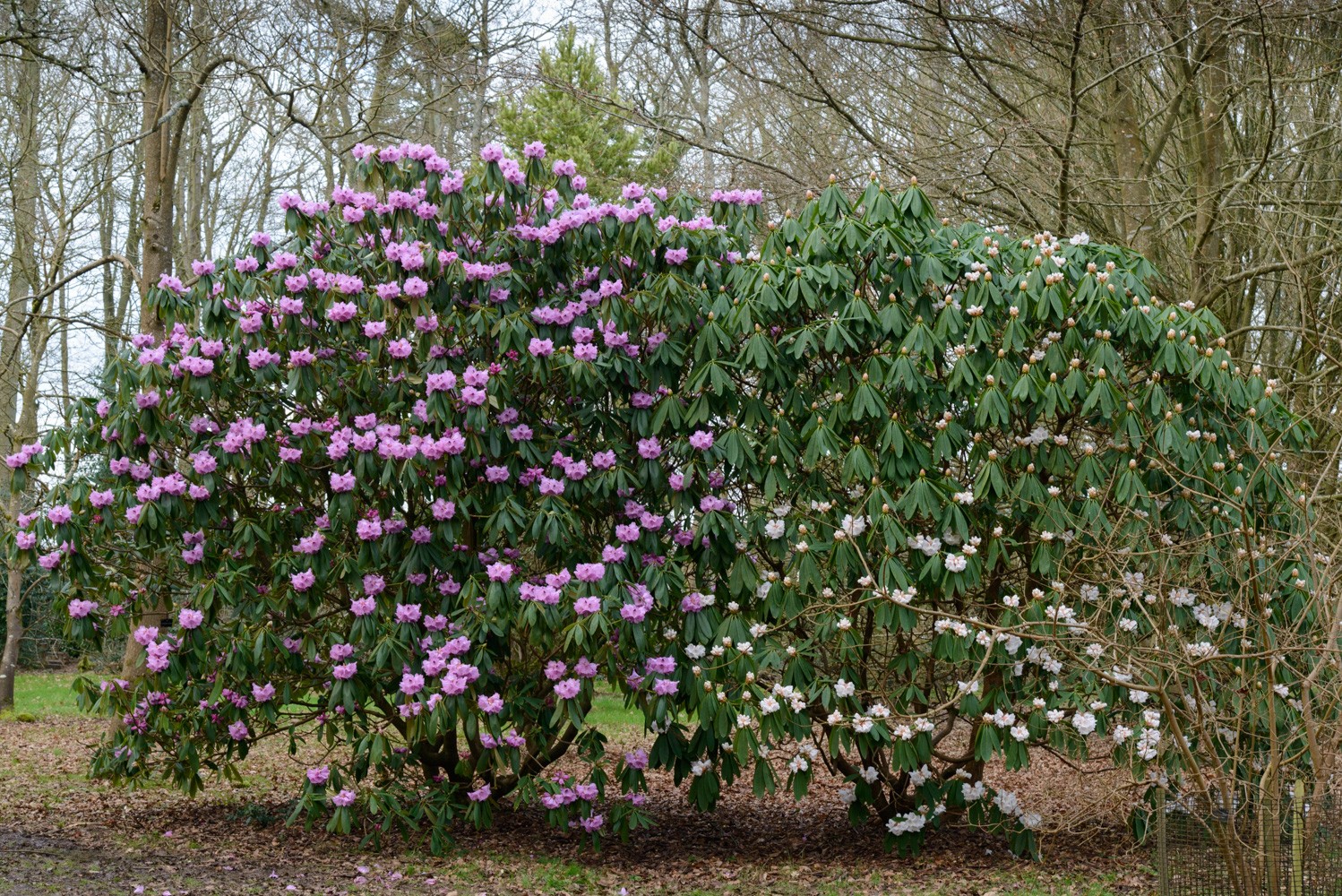
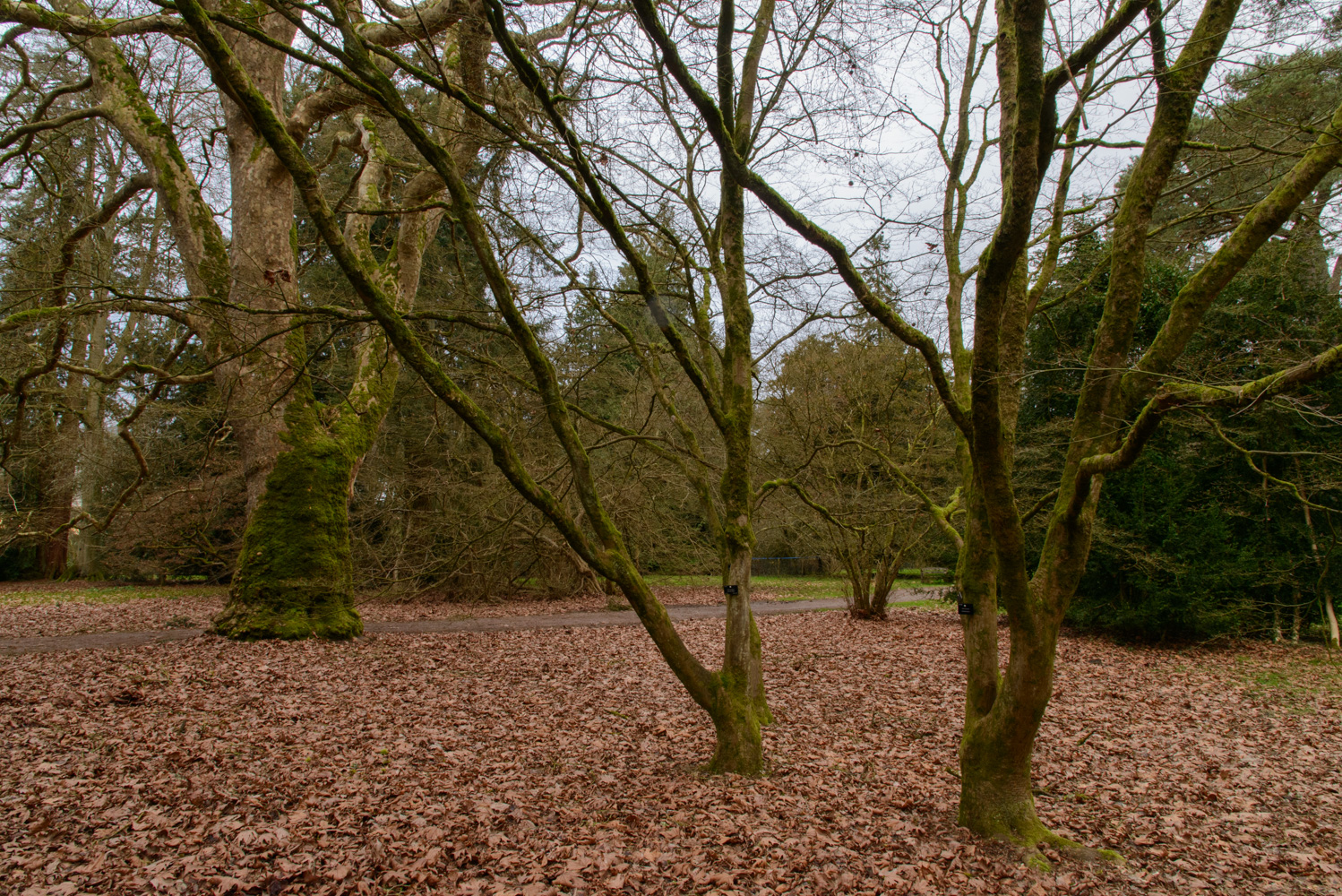
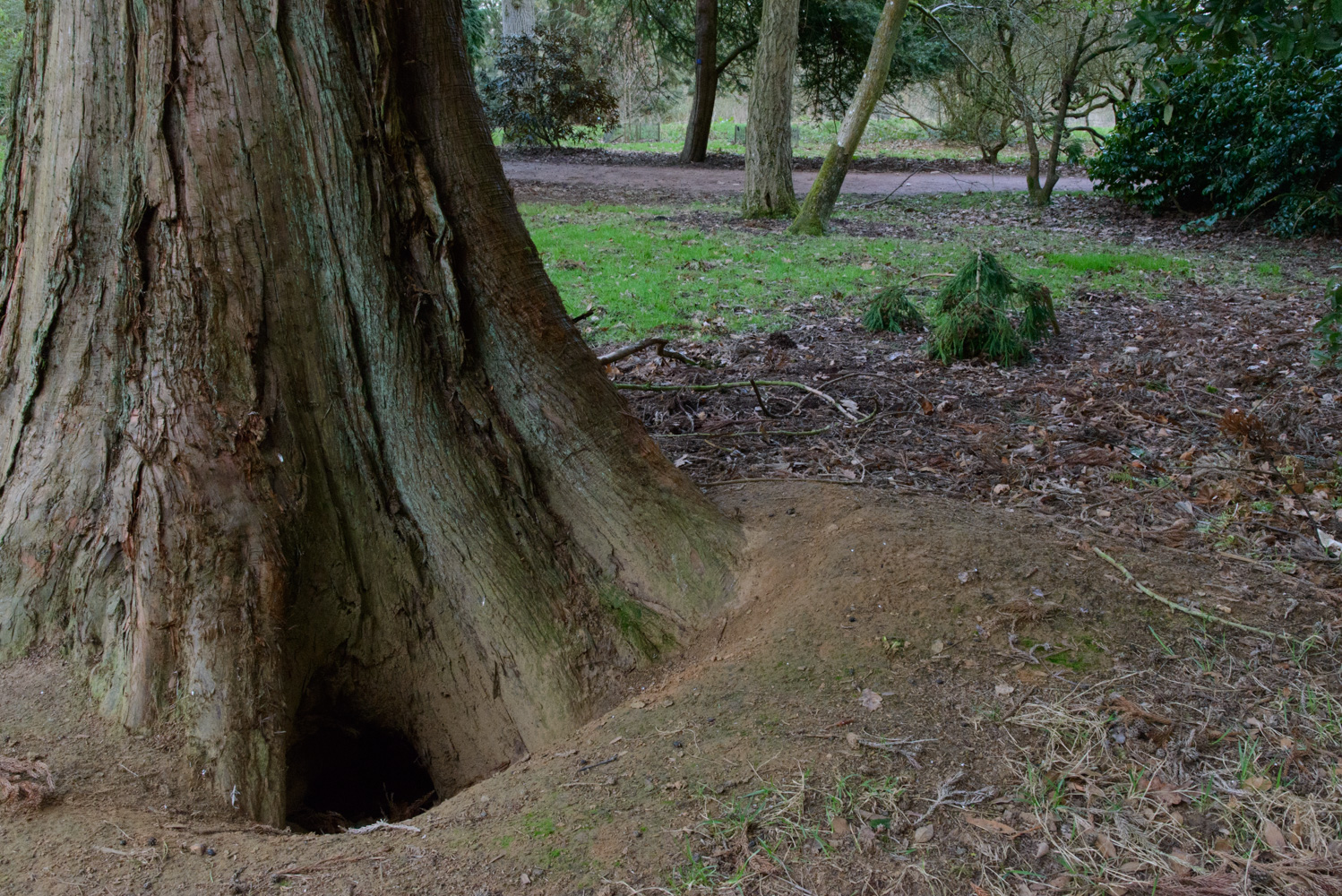
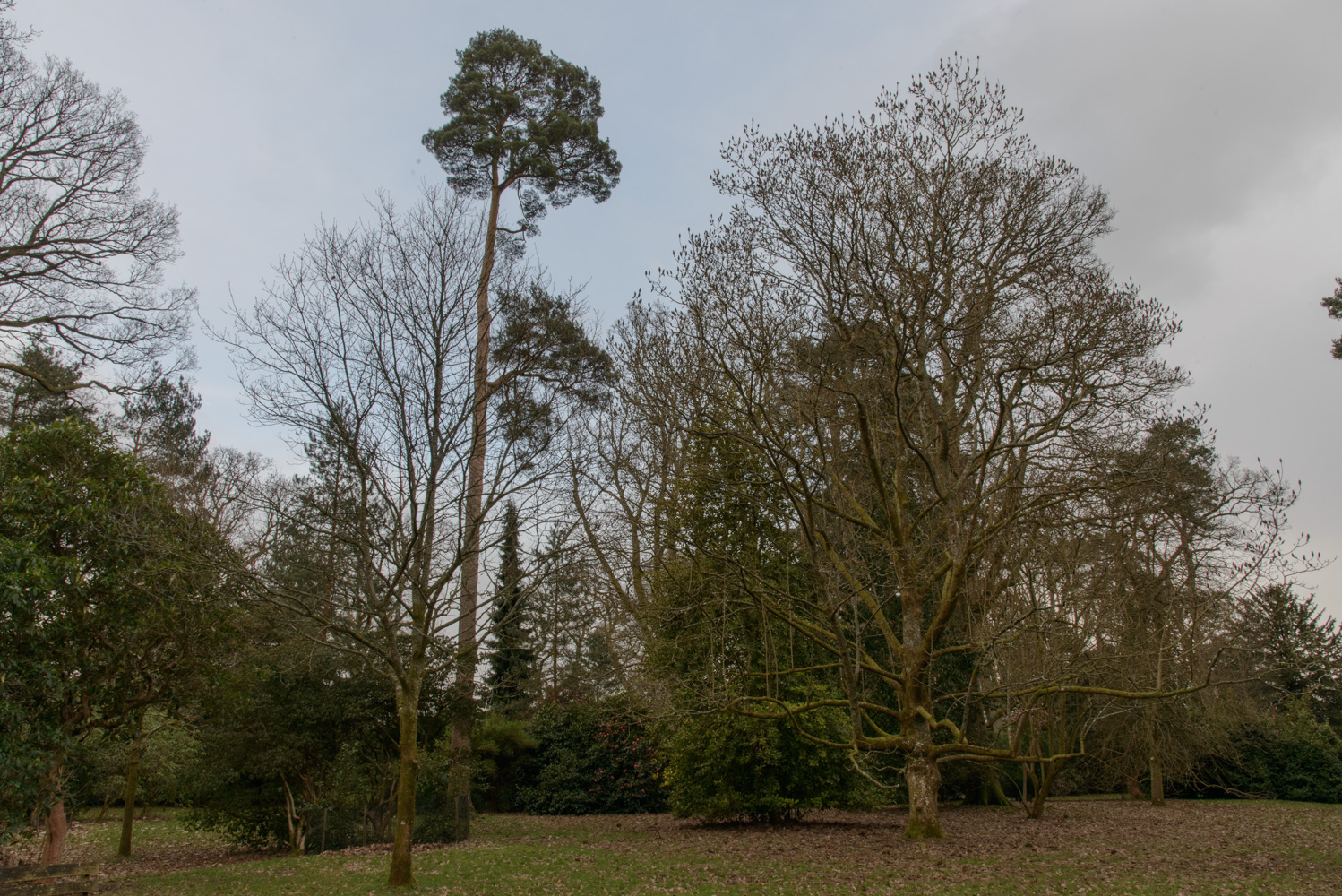
Image 1 – not strictly a wide lens, this image is though the wide version of Image 1 from the previous exercise in which a single lower was captured. Capturing the whole bush, I was able to fill the frame and so require less depth, I was therefore able to widen the aperture to help with the ISO. Although I like the fact that I captured the whole bush and the unusual white and pink bushes next to each other, I don’t think it fully meets the objective of the exercise.
Image 2 – In this image I wanted to capture the three tress in a line travelling across the frame. The tree at the front is actually the source of the lightening like image from the previous exercise (Image 4). The objectives of the exercise are met, everything is sharp and it is a wide vista with depth. I don’t find it a particularly interesting image though.
Image 3 – In this image I wanted to capture something very close (the fox hole) and something further away (the trees in the background). With such a difference in distance, this is a very extreme depth of field requirement and as a result I had to narrow the aperture to f22 in order to retain focus. I like the image and the exercise objectives are met.
Image 4 – Although a broad vista, this image does not actually have that much depth of field requirement to it since all of the objects in the frame are some distance away and all roughly the same distance. I like the image in the way it depicts different species of trees and all at different heights, the broad vista is achieved but it did not test the extreme depth of field requirements as Image 3 did.
Stratford Upon Avon
Images captured are shown below
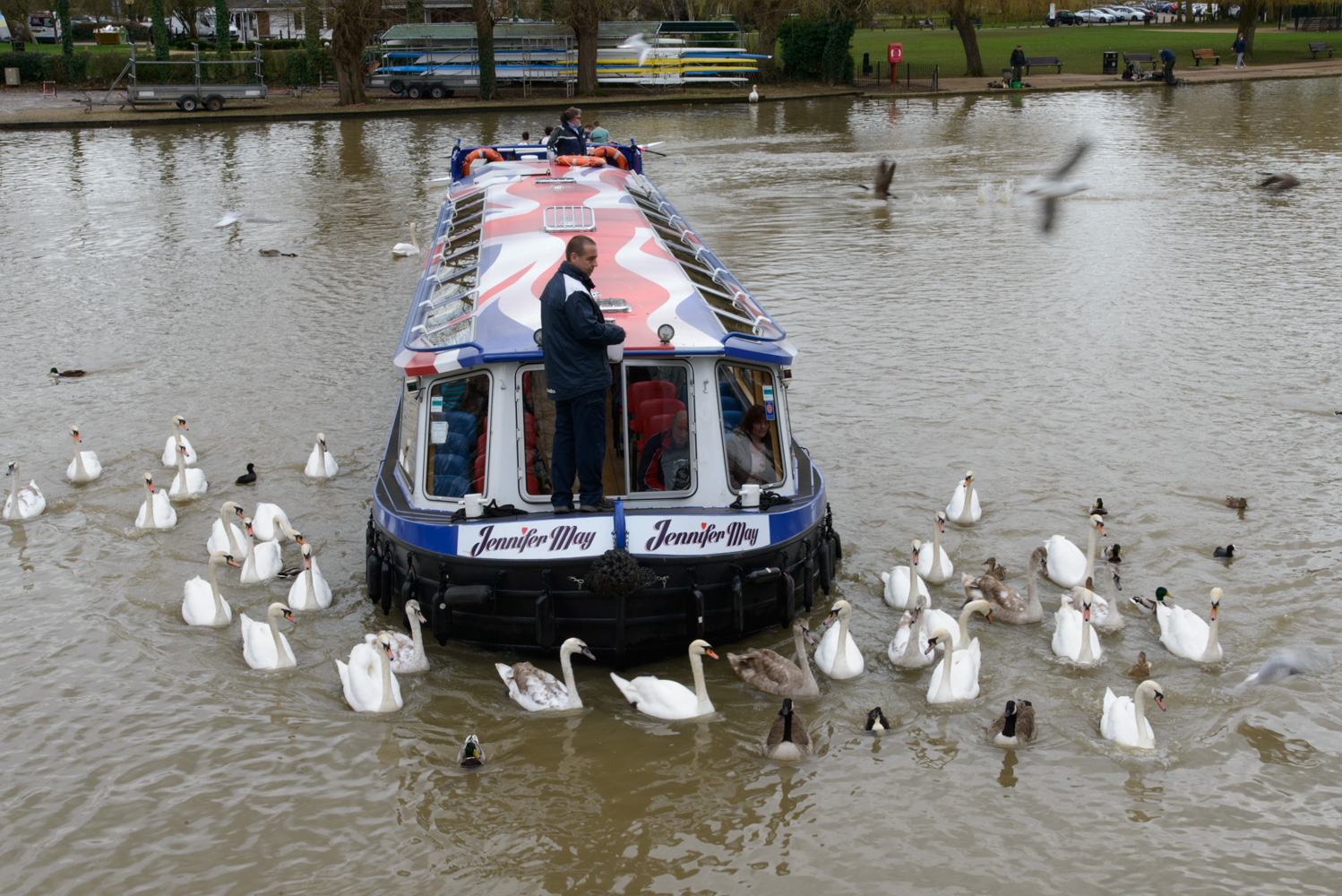
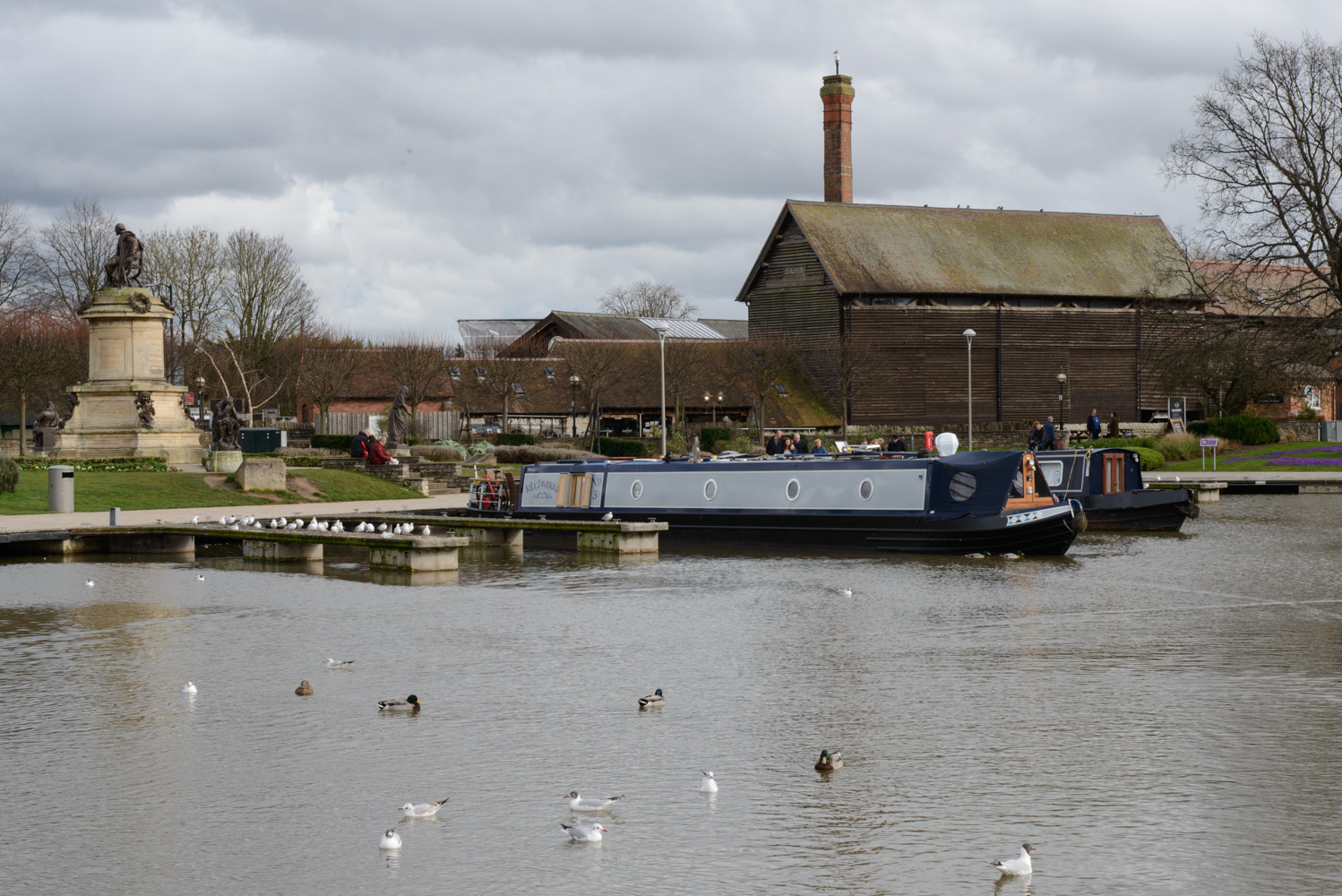
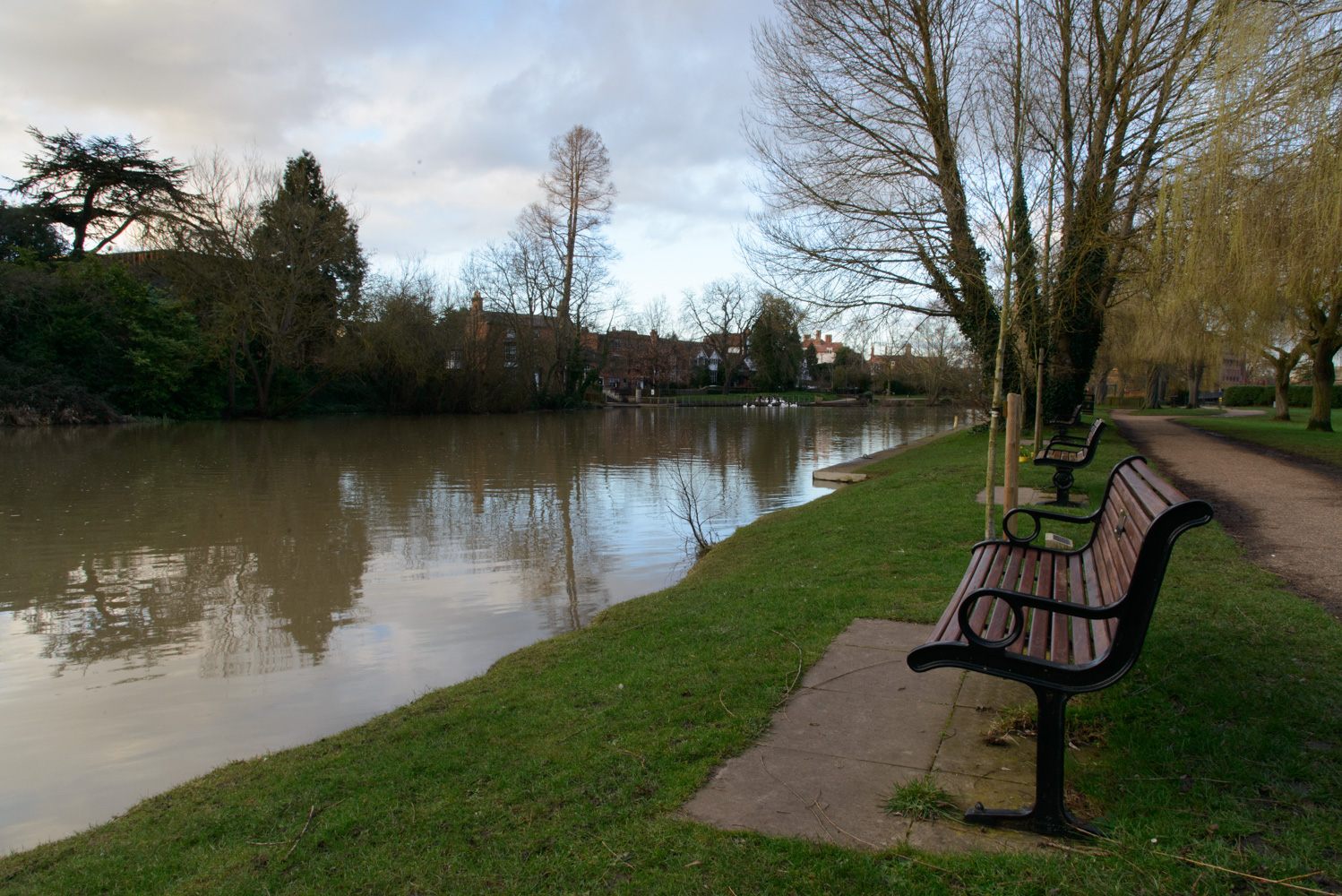
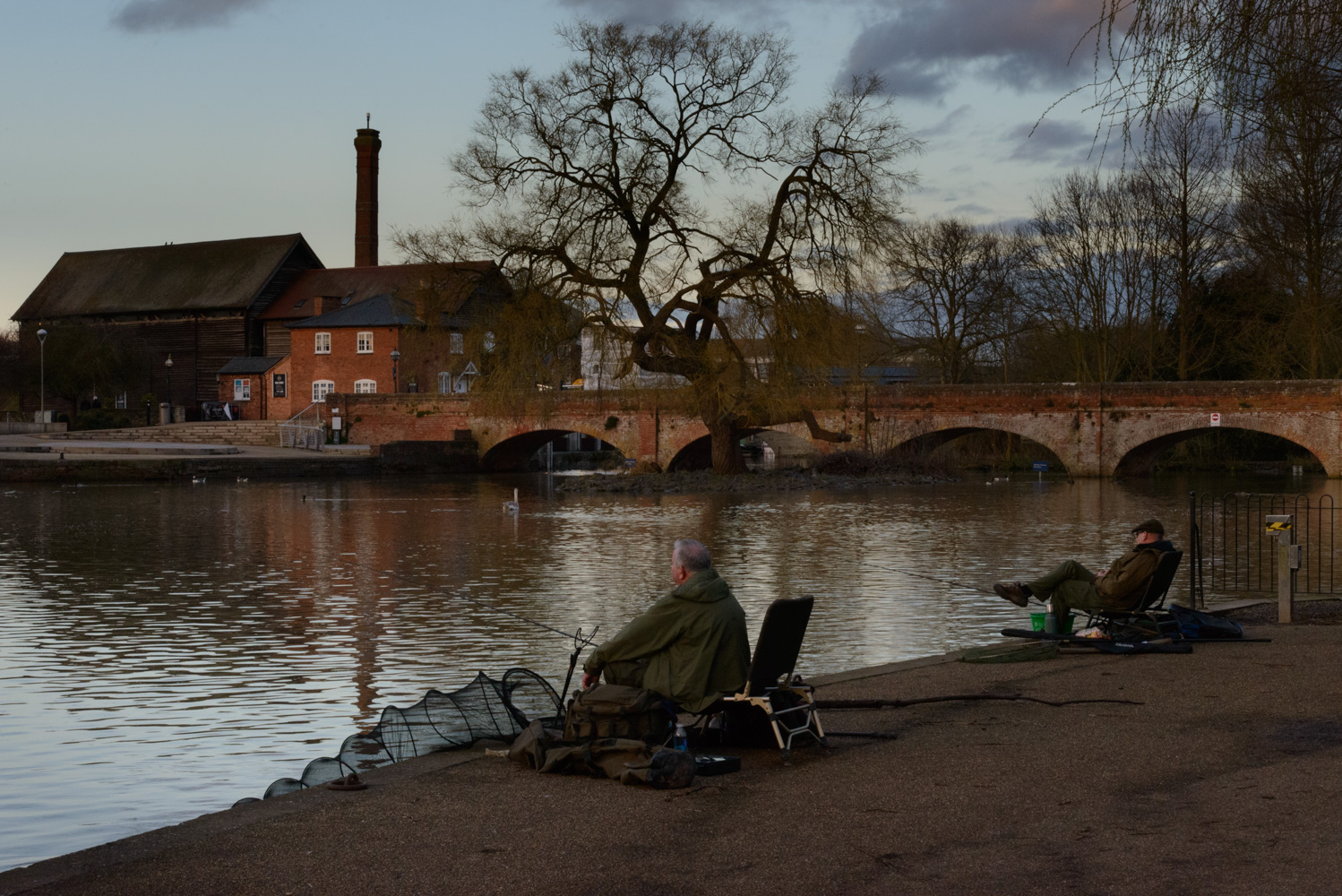
Image 5 – this image has depth running along the length of the barge. Some of the birds have a slight blur to them due to their movement but the bow of the boat right through to the boats on the bank at the rear are all sharp. I took this image as a snap decision as the swans were all swimming in front of the boat as it went along. It was an amusing sight to see, I’m not sure the image captures it.
Image 6 – this image is taken in the water basin in front of the town. I had thought that the birds in the water at the front of the scene would provide enough detail to make the image interesting however, they are so small, it feels to me like the image is too empty at the front. It is sharp front to back though.
Image 7 – contrasting with the close up of the swans from the previous exercise, this is taken looking along the Avon. I like this image as the line of the river, the path and the one create by the benches all travel in the same direction and produce a great sense of depth. The closeness of the front bench and depth of the scene meant that a very narrow aperture was needed to get full sharpness. Contrasting with the swan close up, I like the two different images that have been produced by the two techniques.
Image 8 – very similar to Image 7 from the previous exercise, except taken at 62mm focal length instead of 120mm. I actually like both versions of the image, I think because of the striking colour of the light at the time they were taken. In line with the exercise, with this image showing two fisherman and the background being sharp, this image causes the viewer to take in the whole scene rather than focus in on the fisherman himself – this is despite the images being very similar and illustrates the impact of a sharp or blurred background.
Learning
I have drawn two key learning points from this exercise:
- Wide images are more typical of what I would take before starting this course and I would have aimed for a lot of depth. Even this early in my learning I am appreciating the concept of straight on photography more. I had been thinking that this meant using a longer lens more and I still think that will generally be the case but, Image 4 in this exercise is reasonably straight on despite being a short lens (28mm). The idea of taking a straight on image with a wide lens is new to me.
- Image 8 in this exercise and Image 7 from the previous exercise are very similar in their framing, the length of the lens and the choice to use a wide or narrow aperture makes a striking difference to wether the viewer takes in the whole scene or a selected part of the scene. This impact is greater than I had expected.