Exercise
Use a combination of wide apertures, long focal lengths and close viewpoints to take a number of photographs with shallow depth of field. (Remember that smaller f numbers mean wider apertures.) Try to compose the out-of-focus parts of the picture together with the main subject. Add one or two unedited sequences, together with relevant shooting data and an indication of your selects, to your learning log.
Outcome
Learning from my Square Mile exercise, I have learnt that the same things can be photographed differently to create quite different outcomes. For this exercise and the following Exercise 2.7, I wanted to link the two exercises by choosing to capture different images from the same locations using the two different techniques that the exercise calls for. For this exercise I have captured two distinct series. The first comes from a walk around Westonbirt Arboretum, the second from a walk along the river in Stratford Upon Avon.
Westonbirt
The images captured are shown below
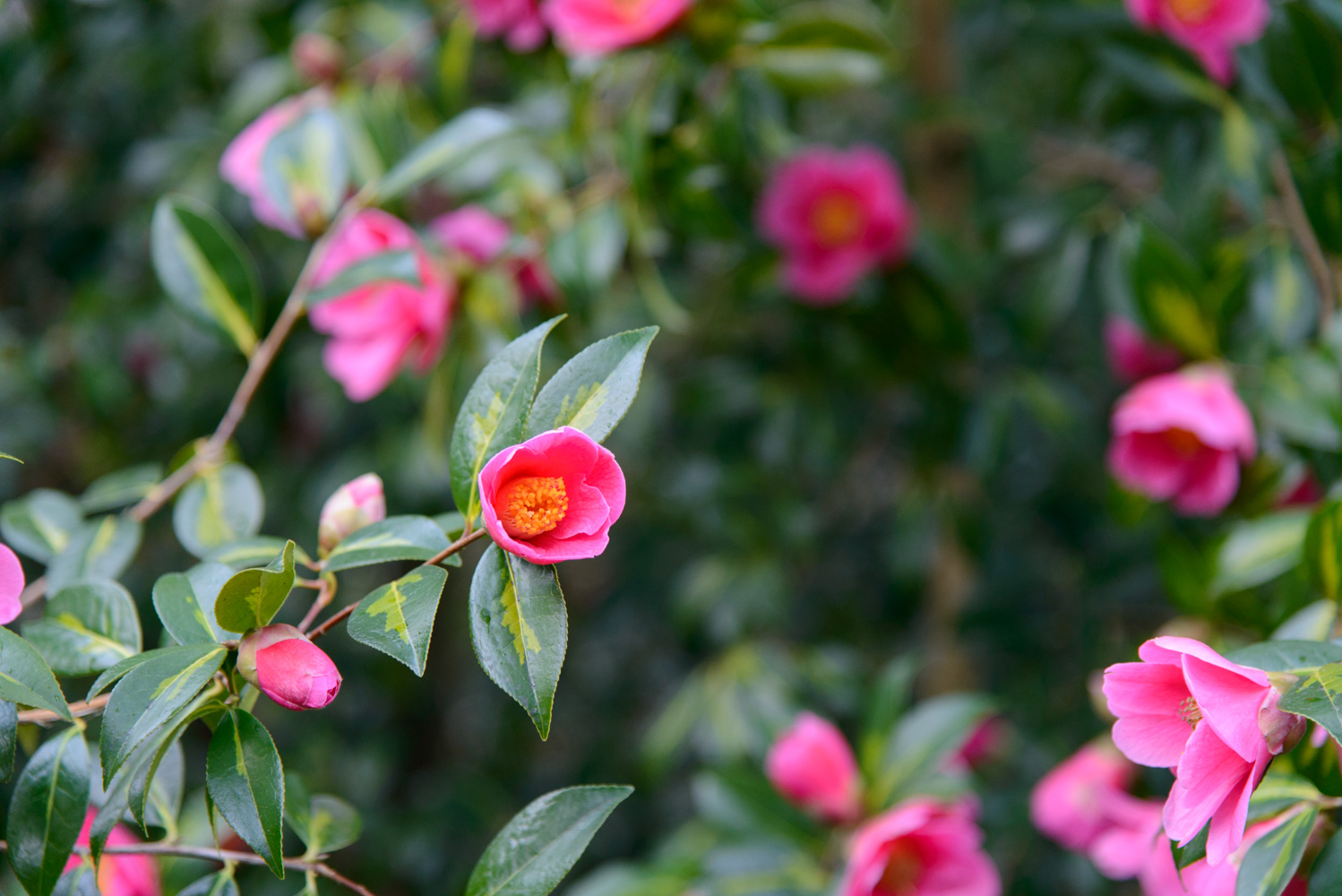
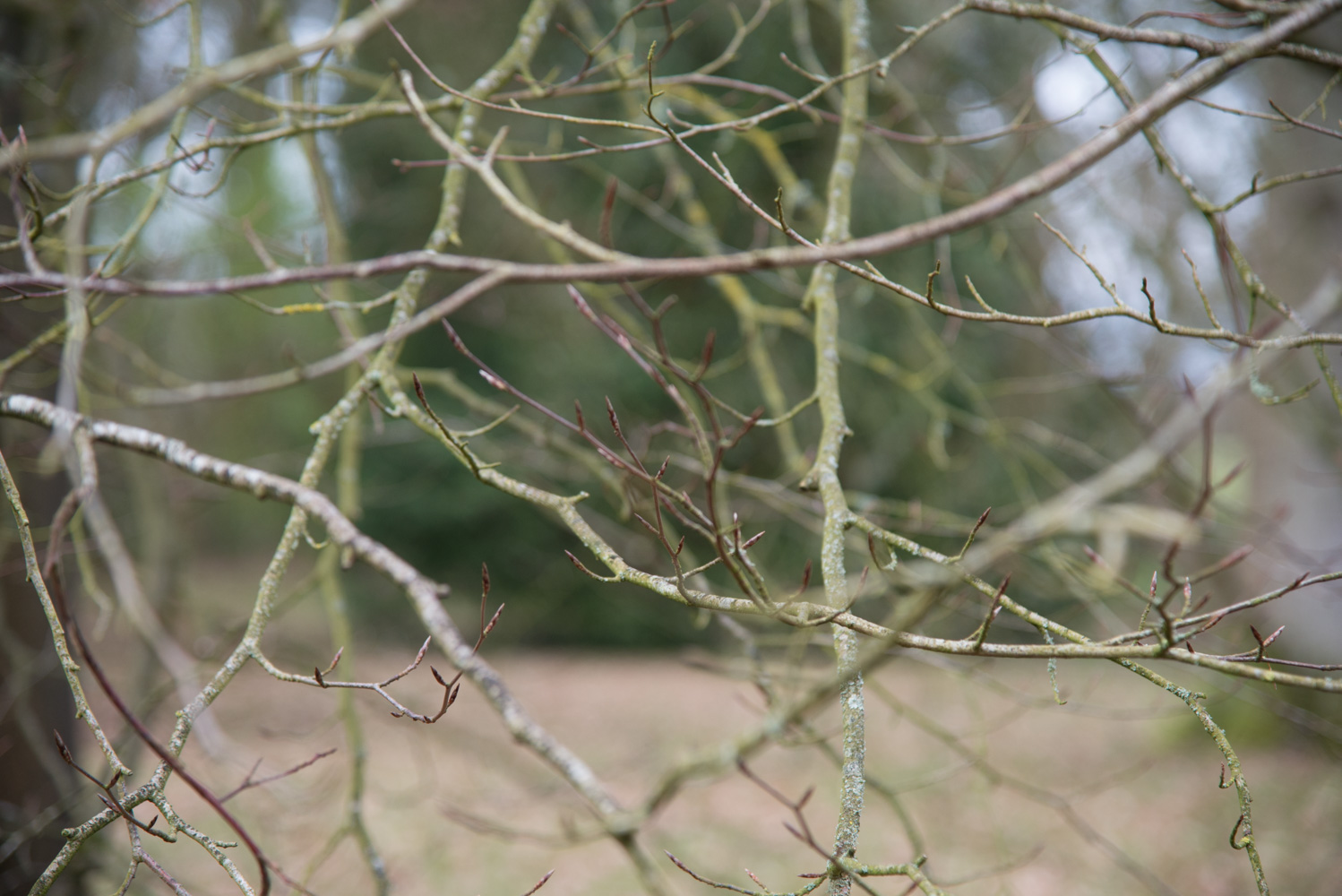
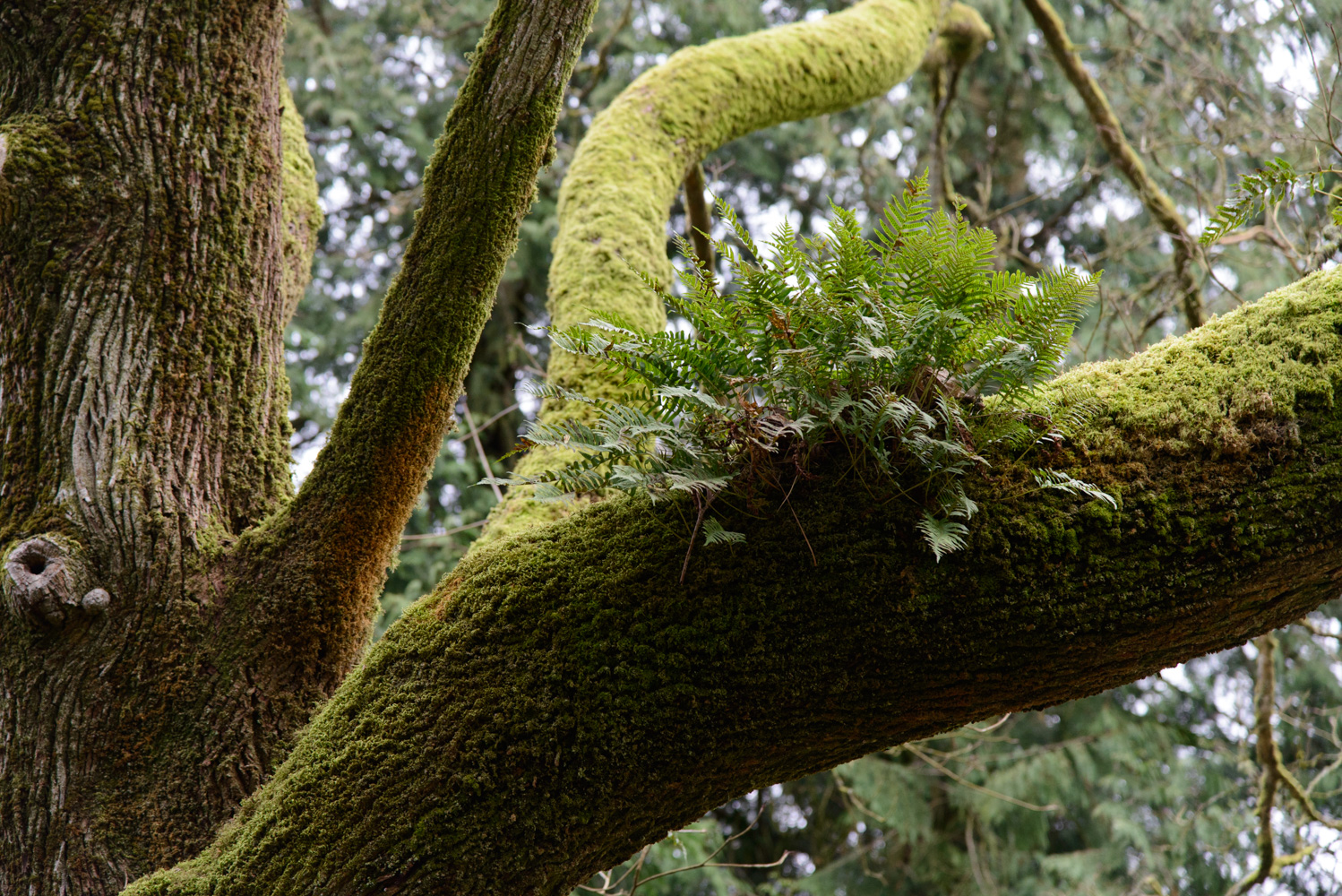
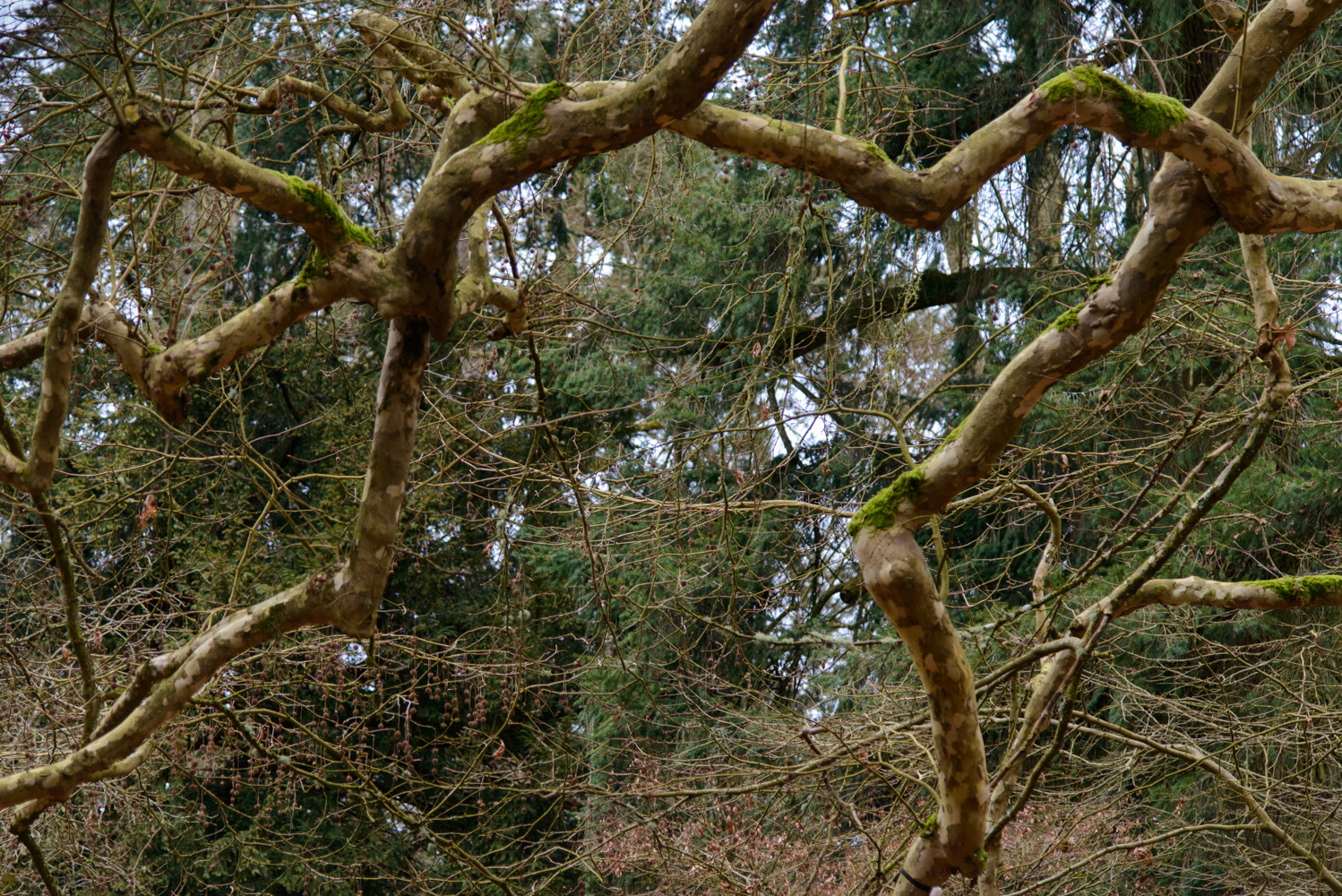
Image 1 – This image captures a single flower in focus with others behind out of focus. I spent a lot of time trying to get the right pattern of flowers behind the front one but ultimately, I think the big green ‘hole’ to the right of the in focus flower is too large and pulls the eye away from the intended flower. The areas which do contain out of focus flowers do create a nice backdrop.
Image 2- The blurred background creates a nice web for the in focus branches in the foreground. I am quite pleased with the outcome as the branches are nicely isolated creating a feeling of a spiders web created by the branches themselves.
Image 3 – I saw this plant growing high in the tree. Because it is not really close to the lens, the background is not totally blurred but I do think it is sufficiently blurred to avoid it distracting the eye away from the main point of the image, the plant itself.
Image 4 – This is my favourite image of the set. Again, as the foreground branches are not so close to the lens, the background is still identifiable. Again though, the foreground is sufficiently separated to retain the focus of the eye. The result is that the branch looks almost like a streak of lightening heading across the page in a dramatic style.
Stratford Upon Avon
The images captured are shown below
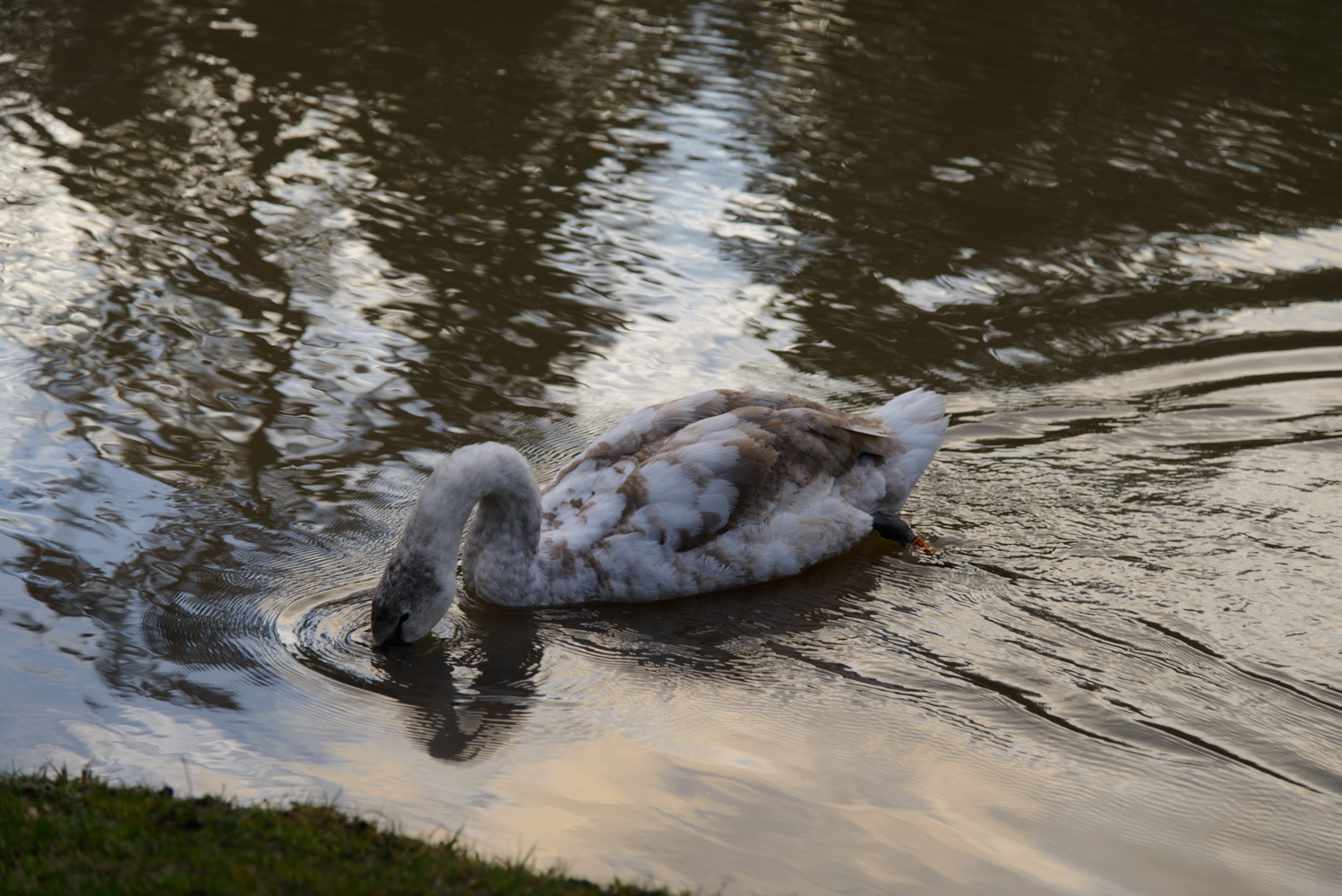
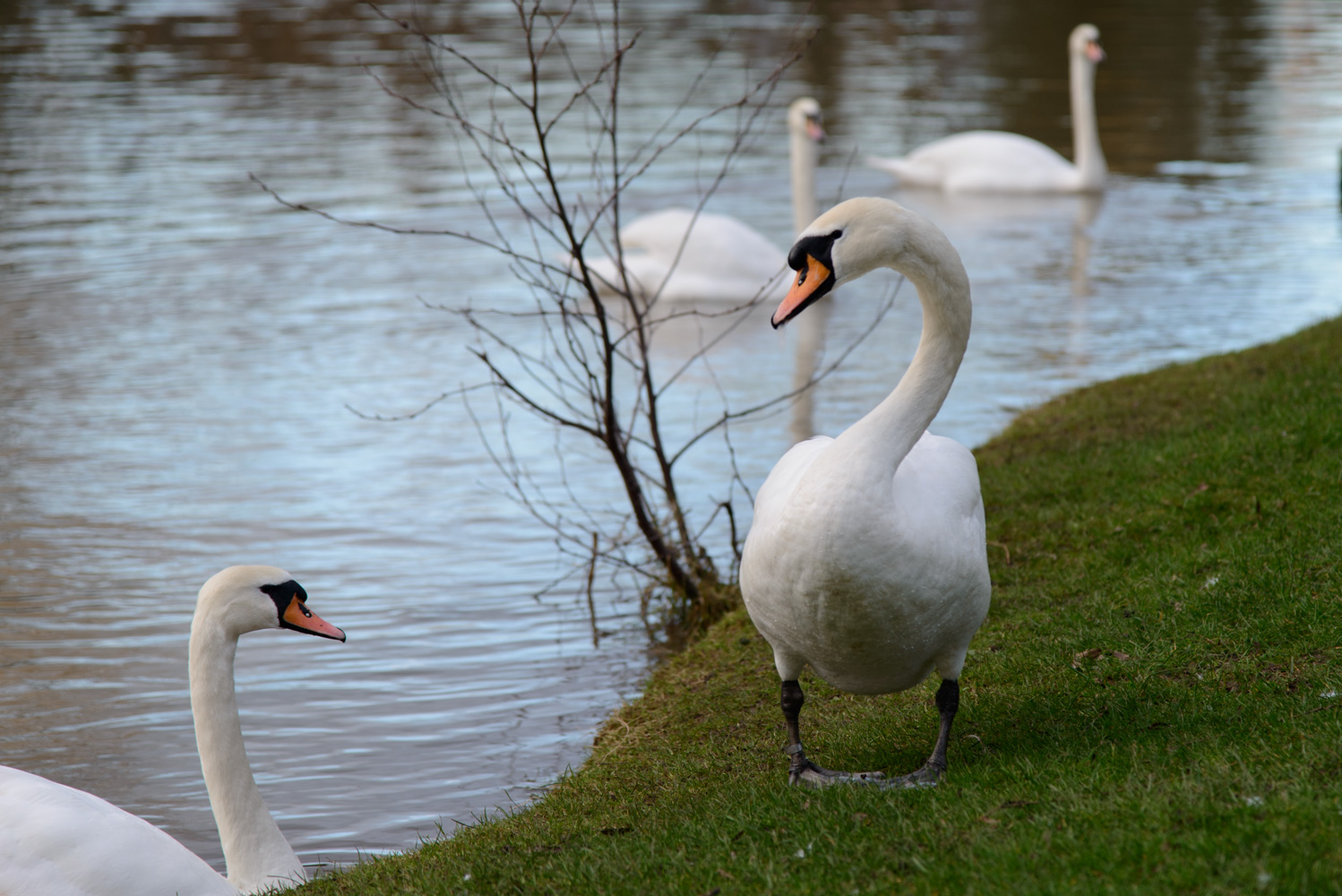
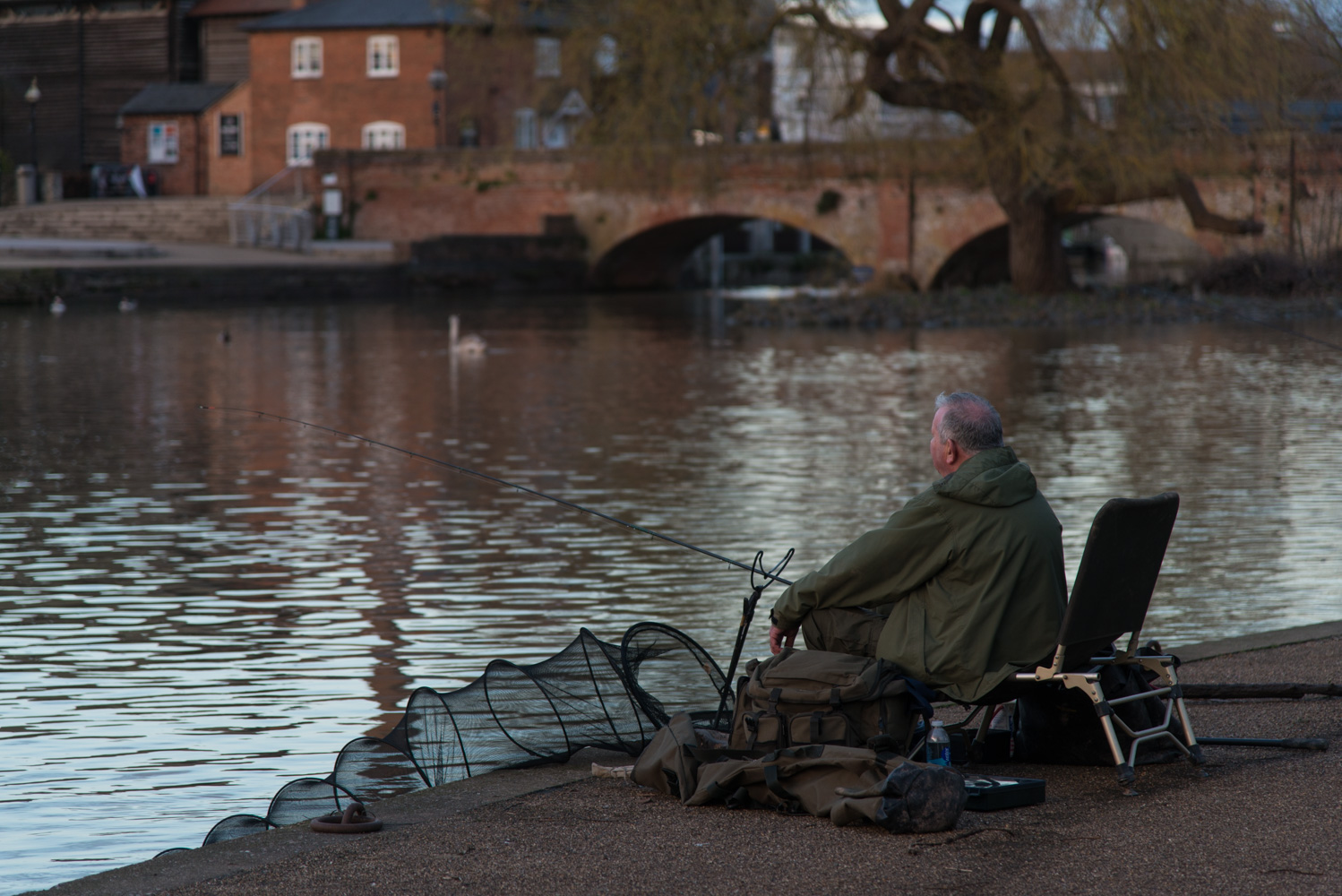
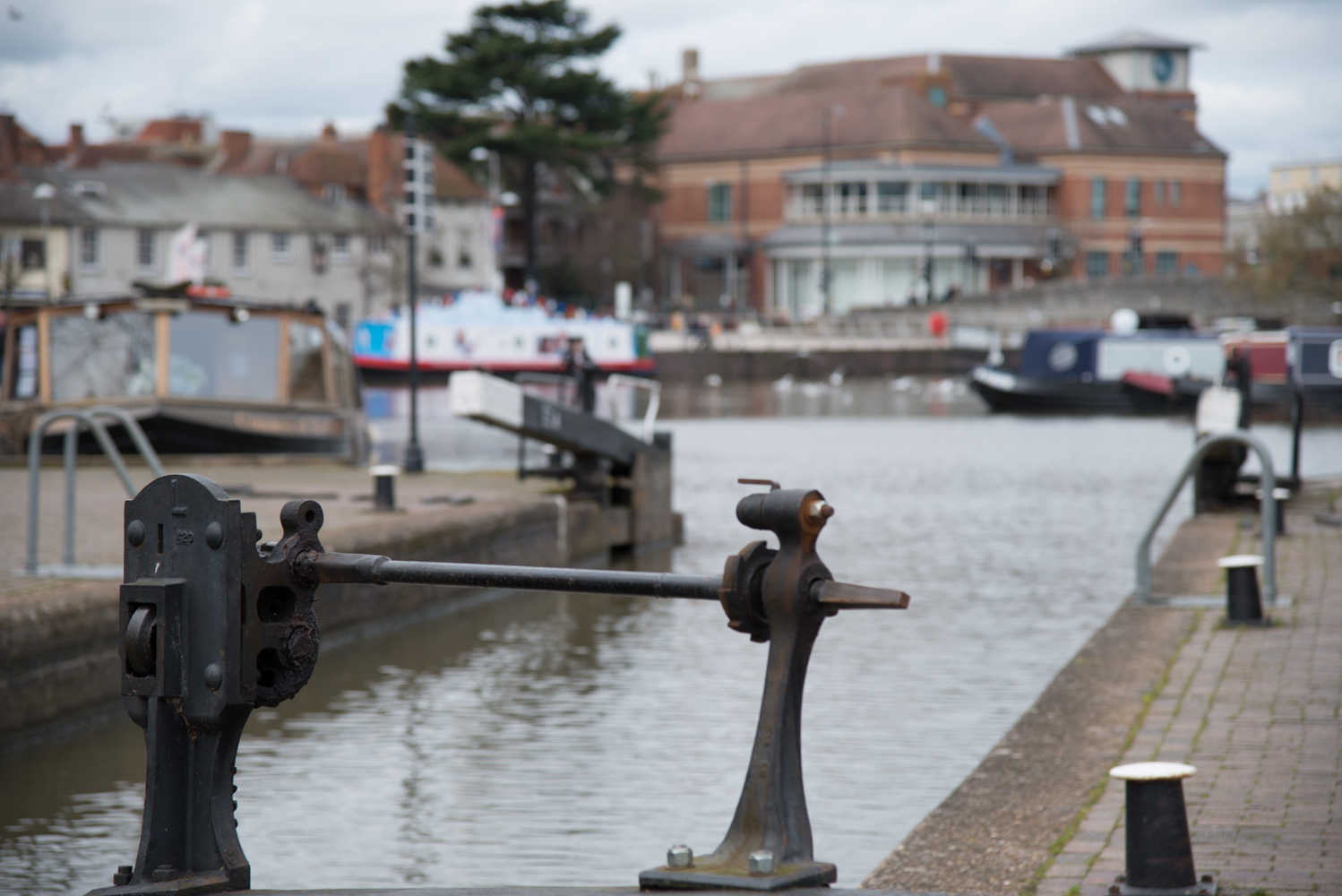
Image 5 – Different from the images in Westonbirt, this image does not actually have anything in the background. I have still used the technique of the exercise and the effect is that the swan is shown nicely sharp and the ripples in the water gradually blur as the the distance from the swan increases, the grass in the frame is also blurred. The result of this effect is that the swan is very nicely framed by the blur and it creates a pleasing image to the eye.
Image 6 – This image builds on the effects described for Image 5 but this time, there are other swans in the background too. The background swans have just enough blur in them to ensure that the eye’s focus remains on the subject of the image. The main subject swan is looking directly at a second swan and happily, that swan is also in focus and the result is that the two sharp swans are are transported into a world where only those two swans exist.
Image 7 – This shot again retains enough detail in the background to be visible however it is sufficiently blurred to cause the eye to look in more detail at the, in focus, fisherman in the foreground. The fisherman’s net extending into the water for me enhances the connection between him and the water. I like this shot.
Image 8 – This is my least favourite shot of the series. The shot delivers on the objective of the exercise in terms of its focus point and shallow depth of field but I do not feel that the image holds together as a whole. I think the issue is that the framing of the winding mechanism could do with being bit wider so that you can see its purpose and connection with the gate that it is attached to. It is clear what it does because the lock and further away gates can be seen, but it is not well positioned in the frame in general and is too cut off, had the framing extended a bit lower, the winder would have been better framed and its purpose clear.
Learning
I am happy that I have achieved the objective of the exercise by creating two series of images that demonstrate the effect of the exercise. My main learning is that even when this effect is being employed, it is still essential to consider the out of focus area’s impact to the image.
In the earlier Exercise 2.4, the background was almost irrelevant, it was completely blurred and simply a backdrop to the portrait. In this exercise, Images 1, 6, and 7 in particular are greatly enhanced by playing a visual part in the scene rather than being simply a nice backdrop to the subject.
From Image 8, I also learnt that framing the subject in its surrounding is also important. Using the technique of this exercise, the subject was nicely isolated, but that is the problem with the image, the subject when isolated makes no sense by itself.