Technical
My tutor spotted that some of the skies in my images were a little dark. This was a hangover from the fact that I originally processed the images in black and white where the treatment was appropriate. I was frustrated at myself not to have spotted this and the learning is to remember that colour and black & white images need different treatments. I usually use Lightroom to do my processing and so I need to update my workflow to create different virtual versions of the same source image if I am to do this again.
Quality of Outcome
I was pleased to read my tutors comments that this assignment demonstrates how far I have come in my critical and reflective thinking and how this is manifesting itself in the images that I capture.
I was also pleased that my tutor seemed to concur with my choice to present my images in colour as this was something I spent a lot of time deliberating over, finally choosing to retain colour as I felt that a black & white treatment broke the connection between present day and the images themselves. To achieve a cohesive set, I had chosen to shoot images on overcast days so that they would all be similar, which seems to have worked.
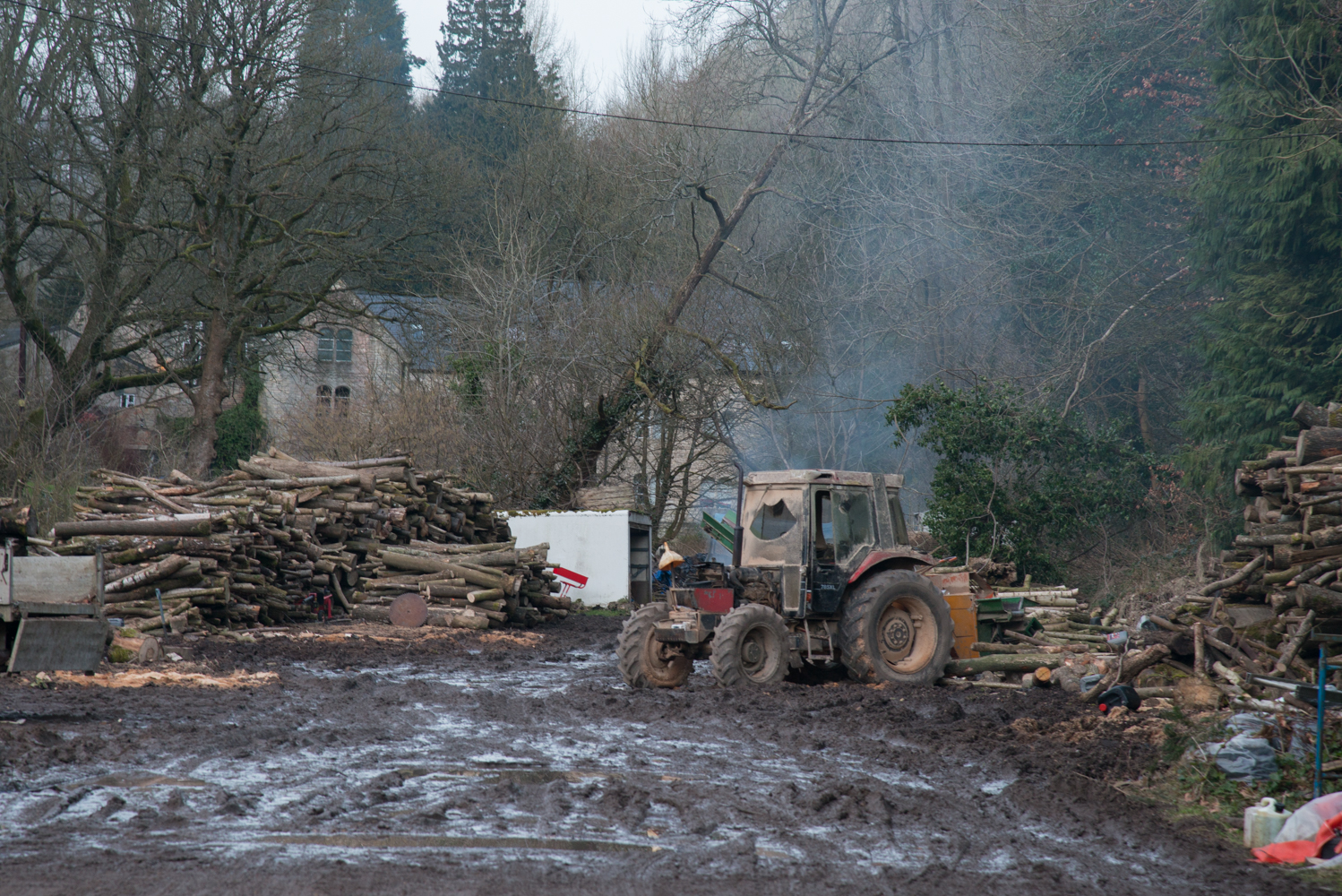
My tutor identified some repetition in the set which was disappointing because I have worked hard to eliminate that since Assignment 1, once pointed out, it was glaringly obvious that two images with tractors were too similar, even though they were of different topics; I have removed one of those images from the set in my final submission.
My tutor also pointed out the varying compositions in my set and my contact sheets, namely:
- Classic 2/3 composition (sky in top 2/3)
- Classic 2/3 composition – inverted (sky in top 1/3)
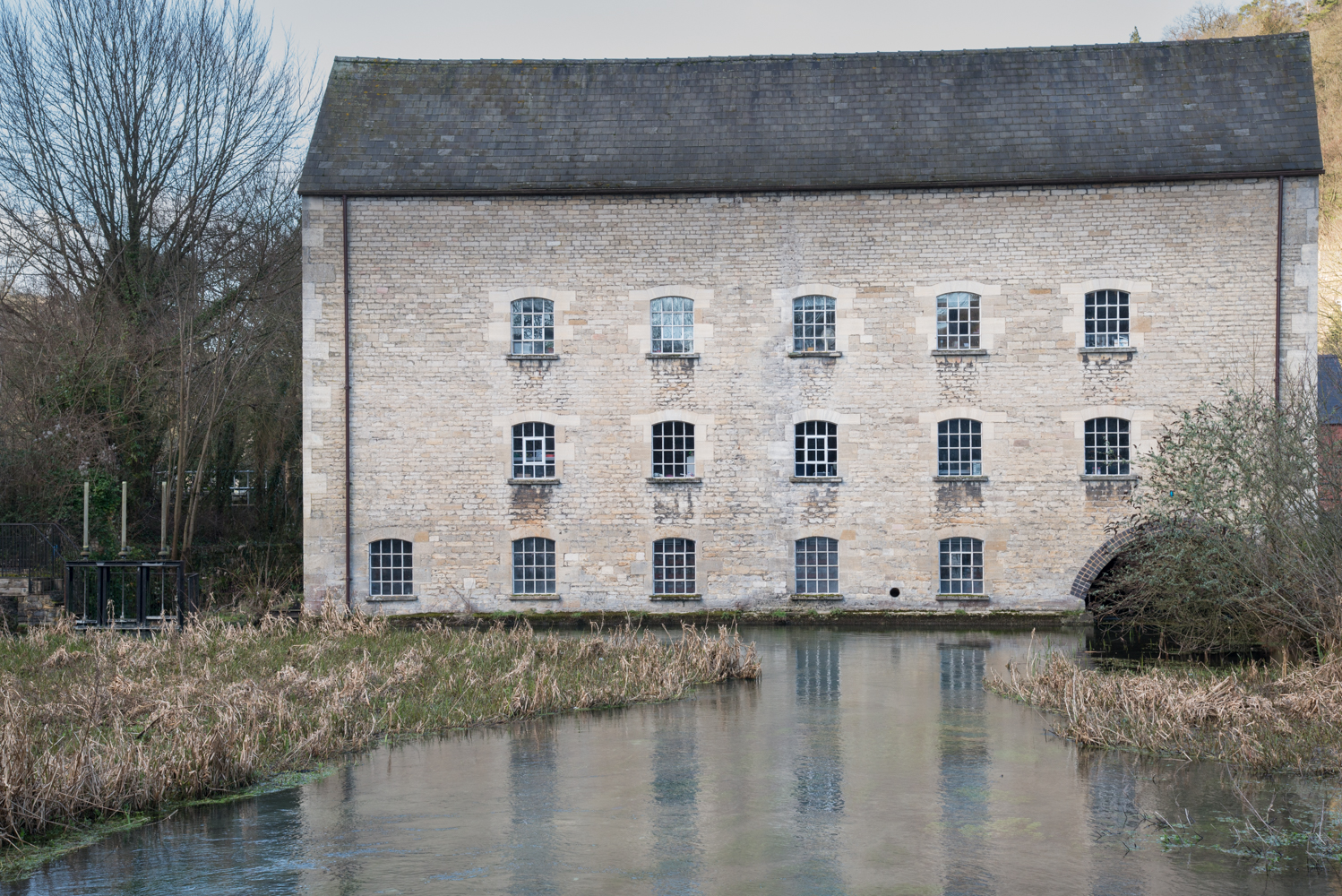
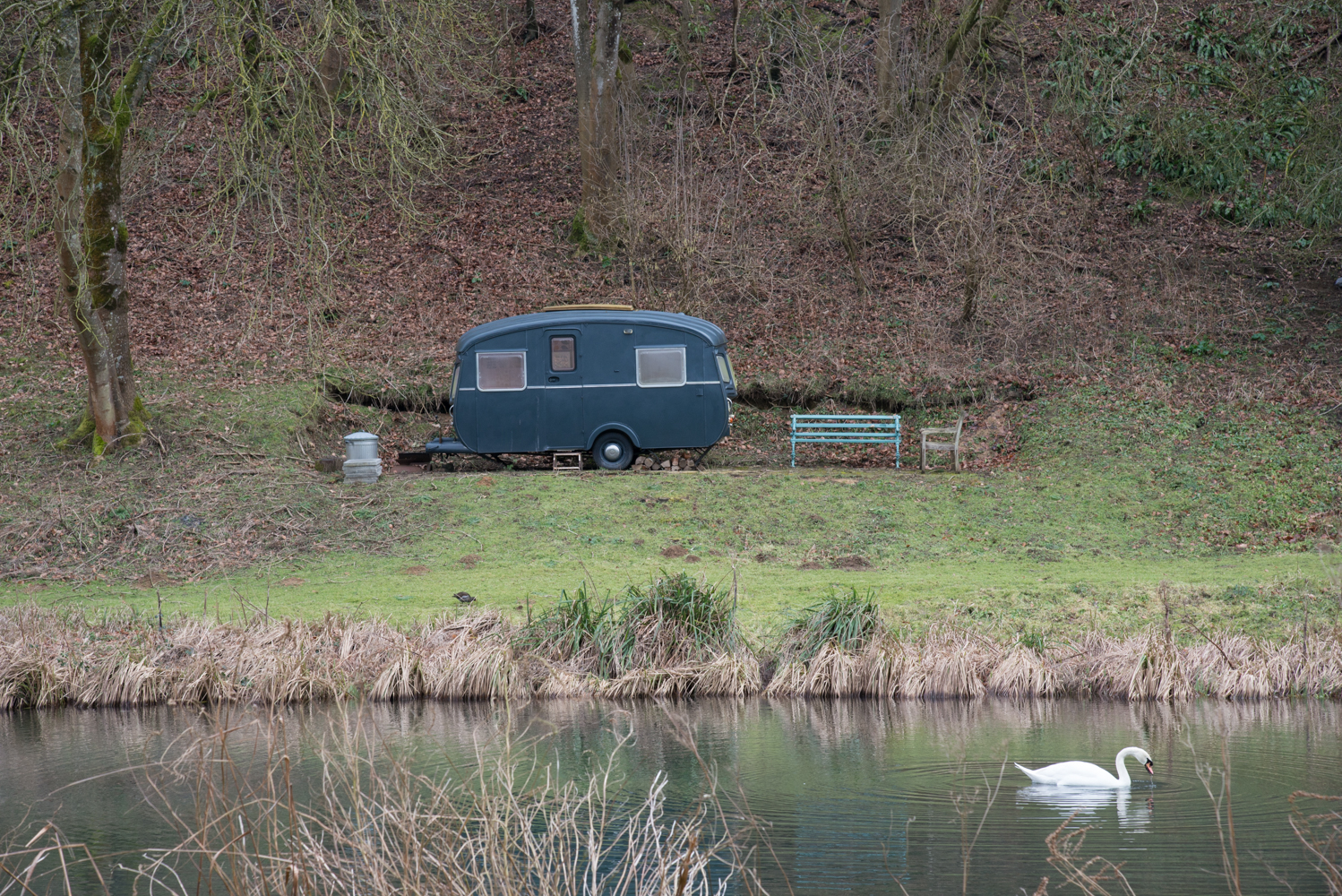
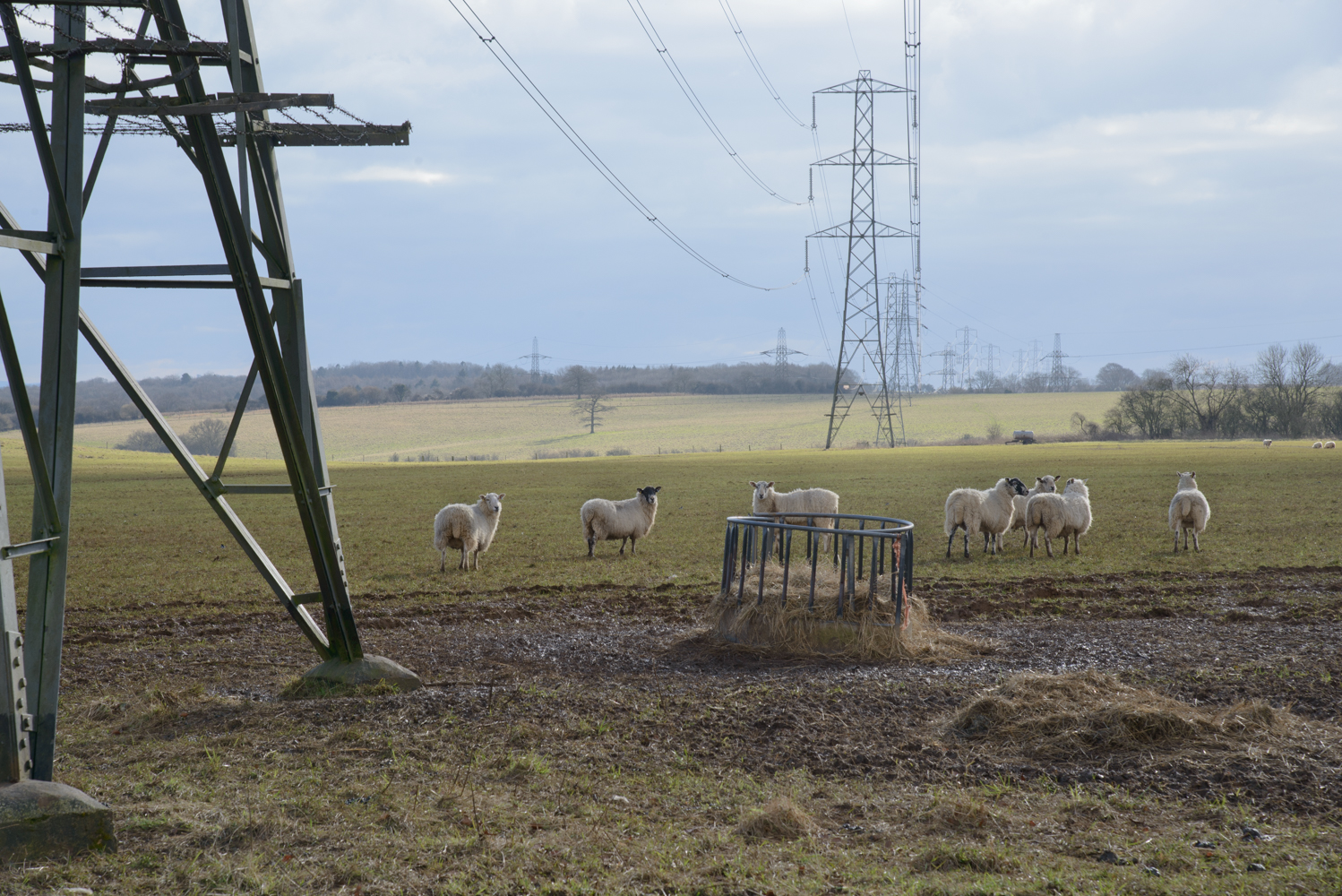
- Flat, dead pan, frontal shot of detail – door, renovated mil, caravan, sheep
She suggested that I make efforts on the sequencing to avoid repetition. Before doing this, I researched further into two suggested image sets that are of a similar topic to my assignment and which were recommended by my tutor.
Firstly, Sophie Gerrard and her set Drawn to the Land (Gerrard, n.d.). I had actually seen these images on display in Lacock Abbey and the Fox Talbot Museum but researching them on-line again refreshed my memory. What is clear when viewing the images online is that no images in the sequence follow each other when they are of the same composition type. Of course, there are multiple instances of a composition within the full set, but nothing is repeated. This is a new learning for me and I have deliberately sequenced my revised submission to achieve the same outcome.
Secondly, James Ravilious and his set The Recent Past (Ravilious, 2017). Again, the same effect could be seen across the set, there are no repeating composition types.
Reviewing the two sets in total also made me realise that both sets contain images of people. I had set out to take landscape images and as such, none of my images contain people but looking at these sets, I feel that the inclusion of people within the images adds a greater sense of feeling for the environment that the images are shot in. Whilst I do not feel that this means I need to completely restart the assignment, I do think that when I expand this project again in the future (which I am sure I will), then the inclusion of people is something that I will need to consider.
Context
In my reflection of Assignment 5, I realised that a considerable amount of the research that I have undertaken during EYV had made an impact to Assignment 5. Within my reflection I summarised all of the influences that I was aware of. Unfortunately, the summarisation approach (with links to each of my research pieces) seems to have caused confusion as it created the need for my tutor to click back and forth – whereas I could have summarised the impact of the research directly within my reflection and therefore removed this need. This is not a mistake I will make again. I am also expanding on that research here to create a self-contained piece.
I think the following pieces of research had an impact on my Assignment 5.
- Land Matters (Wells, 2011) has helped me understand that landscape photography is a category that goes far beyond capturing a purely aesthetic image. It is this book that has fundamentally changed how I go about capturing the countryside. Now I look for items that convey meaning and the emotion that I want to express, and then I choose how to best frame that item which could be in a classic scene or deadpan, or something else entirely. The point now though is that I am capturing the item, and the thoughts that go with it. My choice of how to frame that are also part of expressing that thought and will be consistent with the item itself
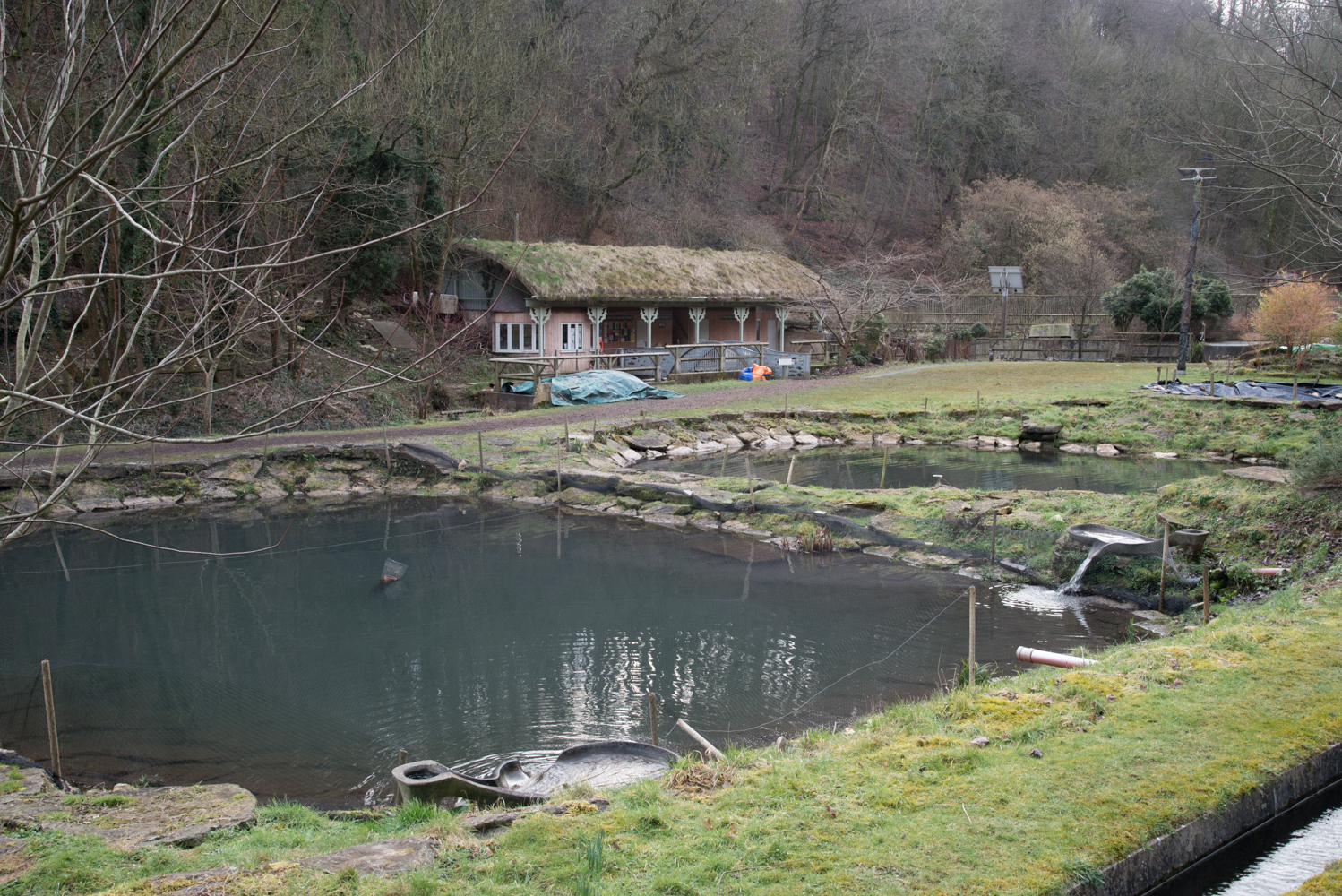
- In Perspectives on Place (Alexander, 2015:123), I was introduced to the notion that the term “industry” does not have to mean heavy industry. It is this notion that made me look at the Cotswolds differently. Fish Farms or Sheep Farms are all industries in their own right, and the they define the feel of the area in which I live. Without this book, I would have only captured heavy or ‘ugly’ industrial scenes, perhaps to comment on their blight on the landscape.
- When I researched Saul Leiter I learnt of the importance of colour and how it can be used to enhance a set of images. Without this, I would have defaulted to black and white images for this assignment and as my contact sheet shows, I think this would have resulted in a less powerful set of images.
- Finally, Paul Hart’s Farmed collection. This set of images is visually impactful, and my assignment could have been very similar to his. However, viewing his images made me realise that what I wanted to capture was a wider expression of how the Cotswolds feels and the work that is carried out within it.
Revised Submission
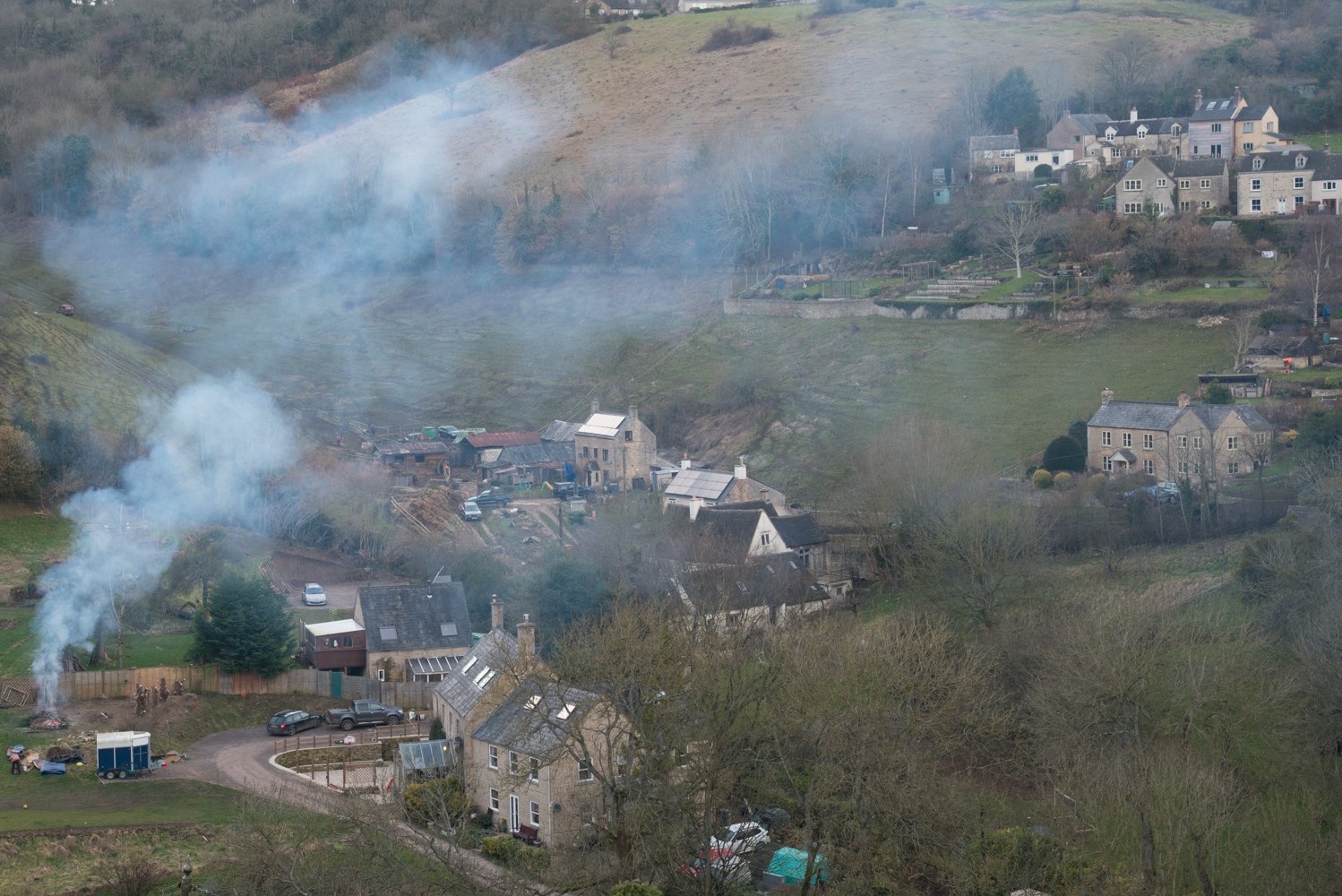
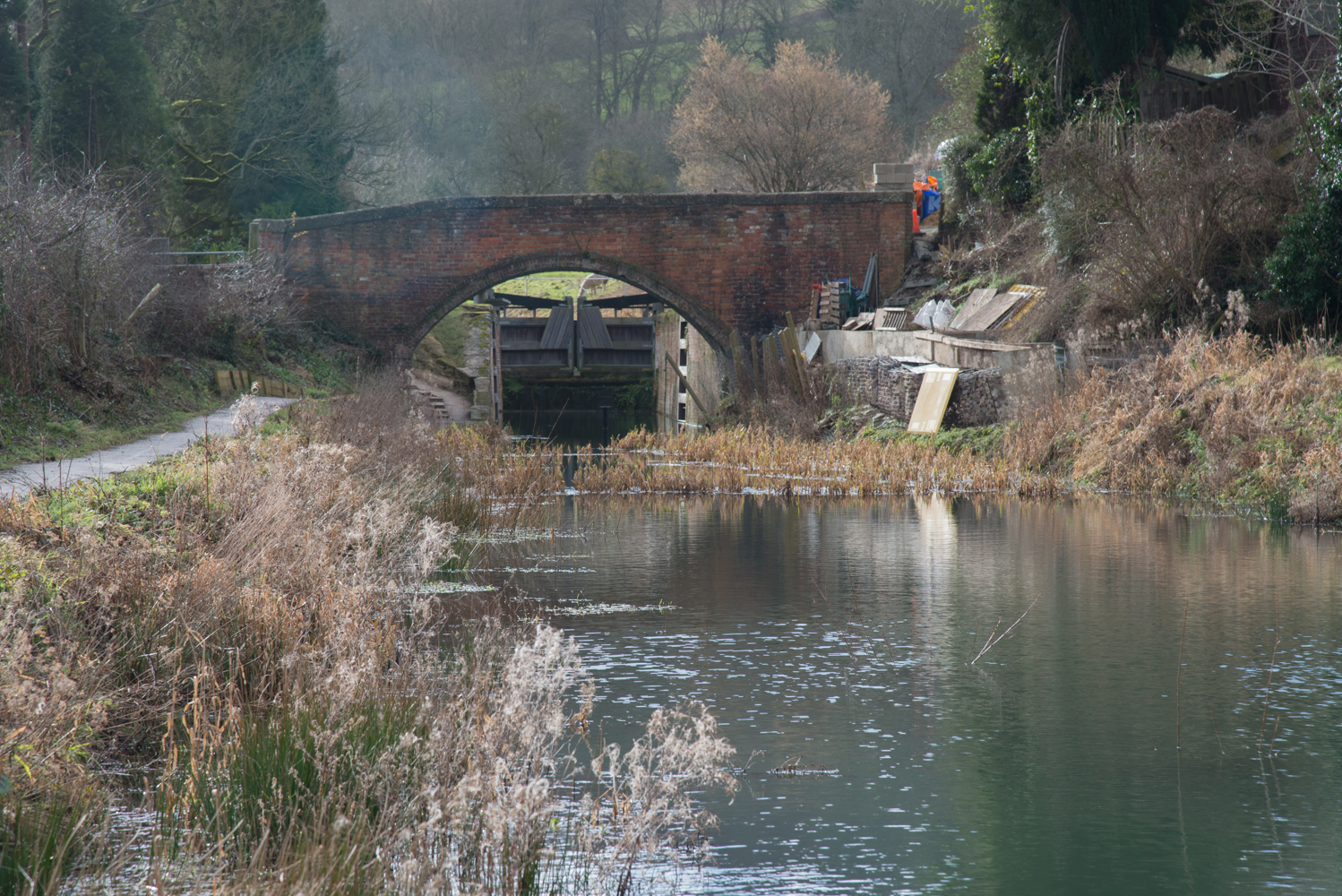
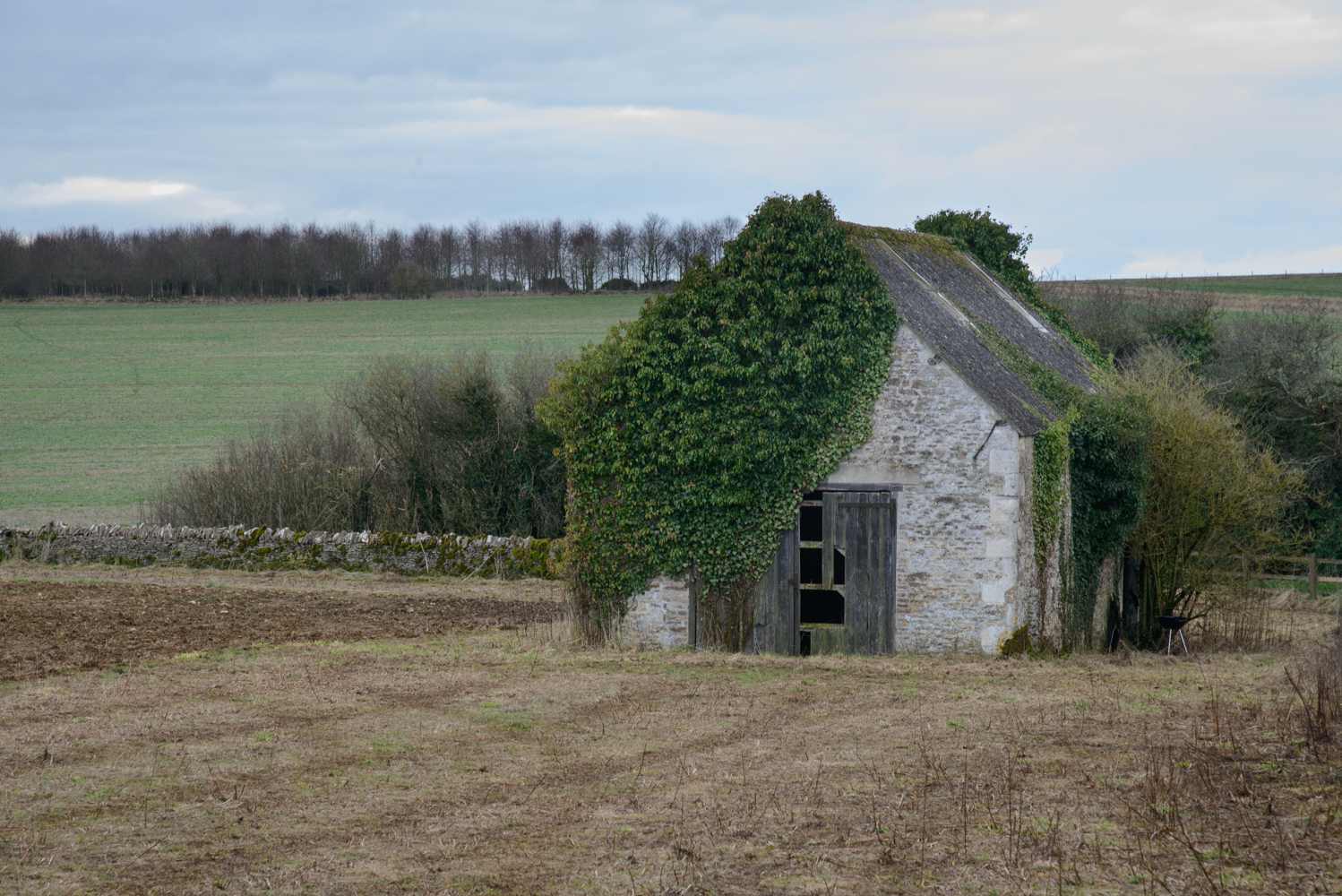
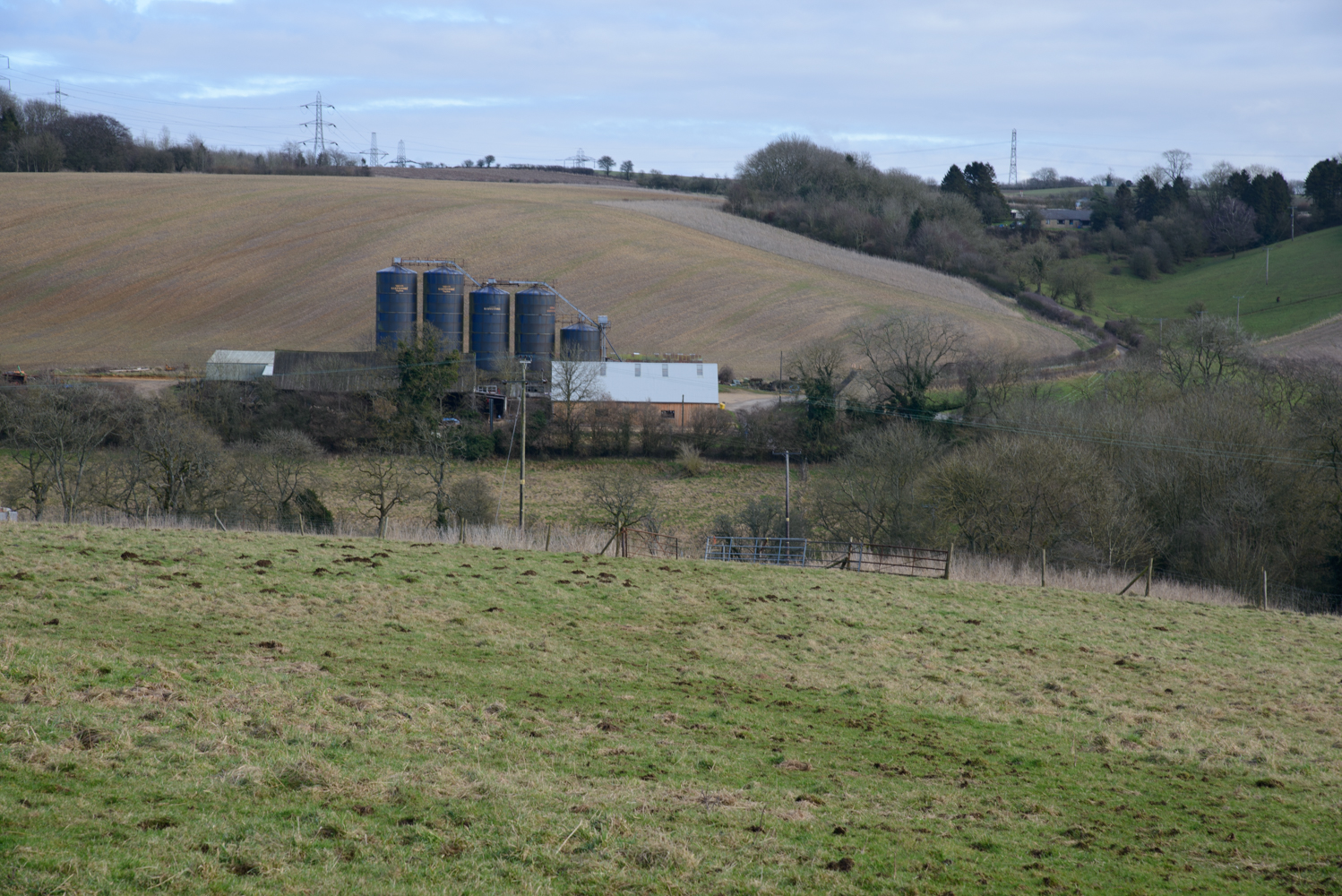
This is my revised submission. Image titles have been updated to include a sequence number which is the order that they should be viewed in.

Bibliography
Gerrard, S. (n.d.). Drawn To The Land – Sophie Gerrard. [online] sophiegerrard.com. Available at: https://www.sophiegerrard.com/work/drawn-to-the-land/ [Accessed 2 Apr. 2018].
Ravilious, J. (2017). The Recent Past. 1st ed. London: Wilmington Square Books.
Wells, L. (2011). Land Matters: Landscape Photography, Culture and Identity (Kindle Edition). Kindle ed. I.B. Tauris
Alexander, J. (2015). Perspectives on place. London: Fairchild Books – an imprint of Bloomsbury Publishing.