Exercise
Print out two or three of your point photographs and trace the route your eye takes over the surface with a pencil. Then try the same with a selection of photographs from newspapers or magazines (or the example above). You should notice that each photograph seems to have its own tempo. Add the traced photographs to your learning log together with brief observations.
My Images
Image 1
In this image my starts with the object and then moves up to the rest of the image. Even without leading lines, placing a string point dead centre and at the bottom has caused me to scan the image from bottom to top.
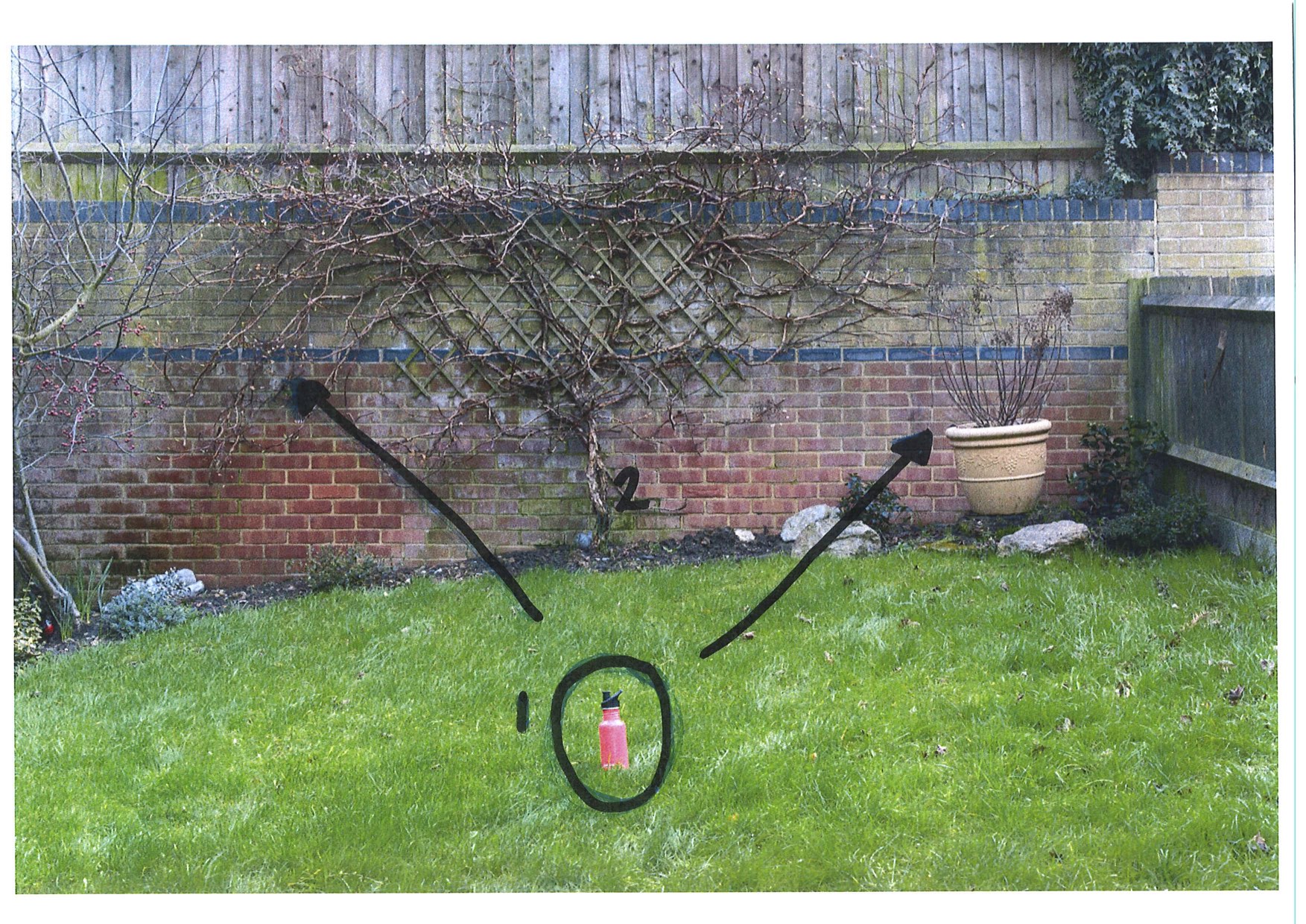
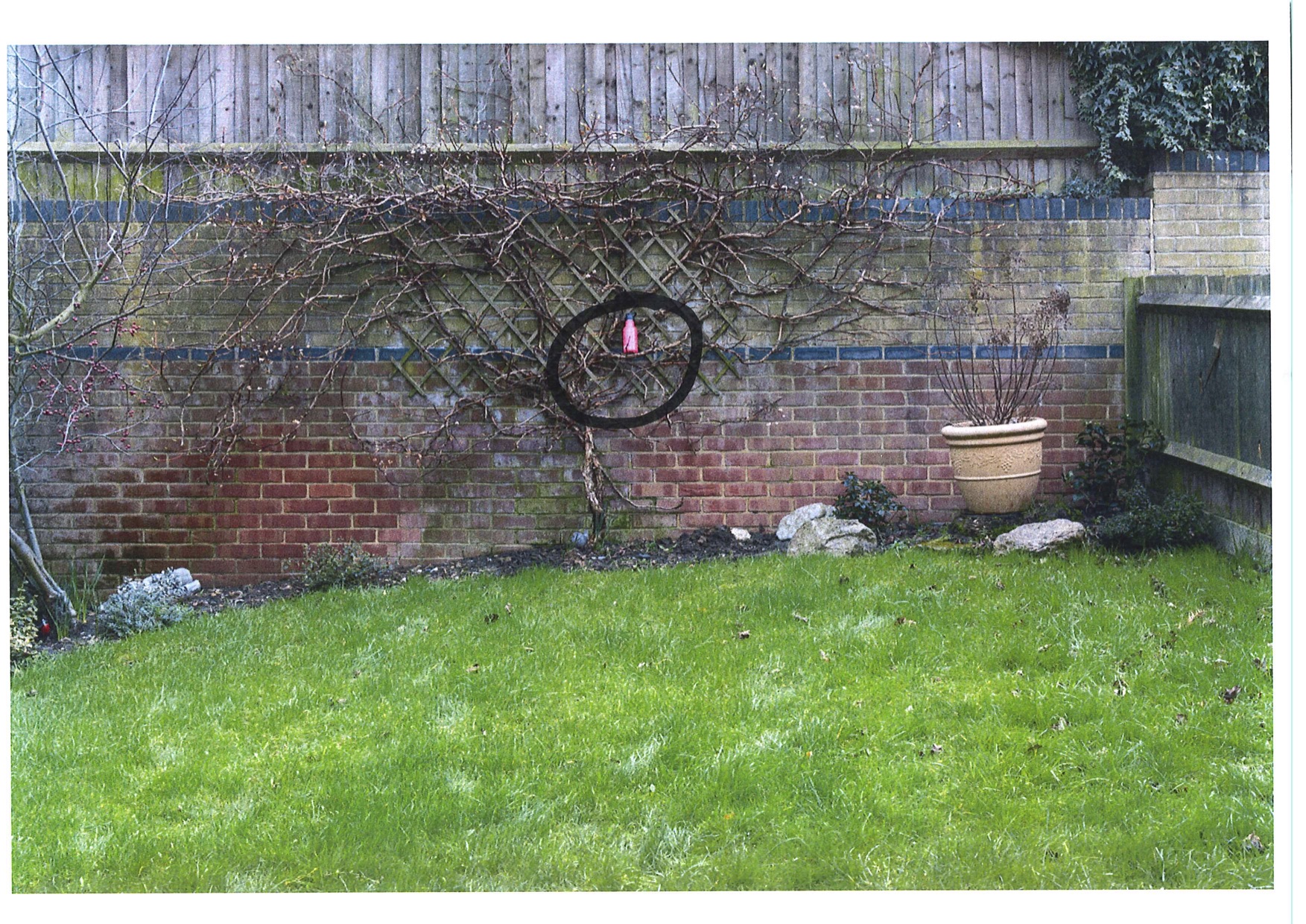
Image 2
In this image, my eye is drawn straight to the point that is dead centre and does not move anywhere else. The bright point right in the centre of the frame has locked my eye to one point.
Website Images
These images are all taken from the 2016 Landscape Photographer of the Year competition. I chose these after recently visiting their exhibition in Waterloo station and found the images beautiful. Printed in the large format that was used for display purposes, I spent a long time looking at the images. Those chosen here were either commended or winners of various categories. All images were captured from the Landscape Photographer of the Year website (Take-a-view.co.uk, 2016). It is worth saying that these scans cannot possibly do the images justice and I would recommend visiting the exhibition or at least buying their book.
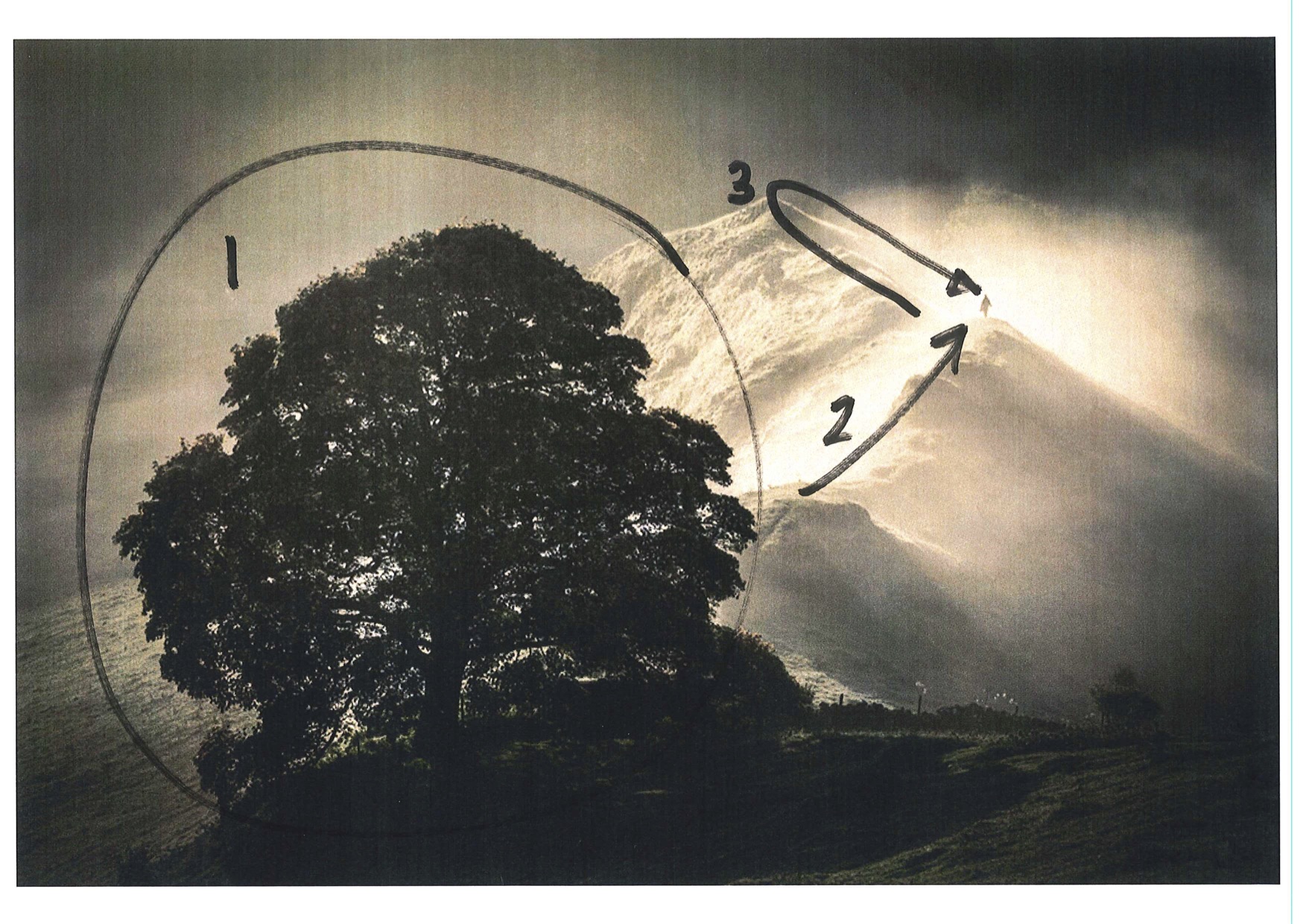
Chrome Hill
In this image (Birks, 2016), my eye started by looking at the tree which dominates the frame. Soon after, the brightness of the hill behind it catches my eye which than moves up along the ridge. My eye paused for a second at the lone figure stood on the ridge then followed up to the top of the ridge. My eye then returns and stays with the figure, forgetting the tree where it started.
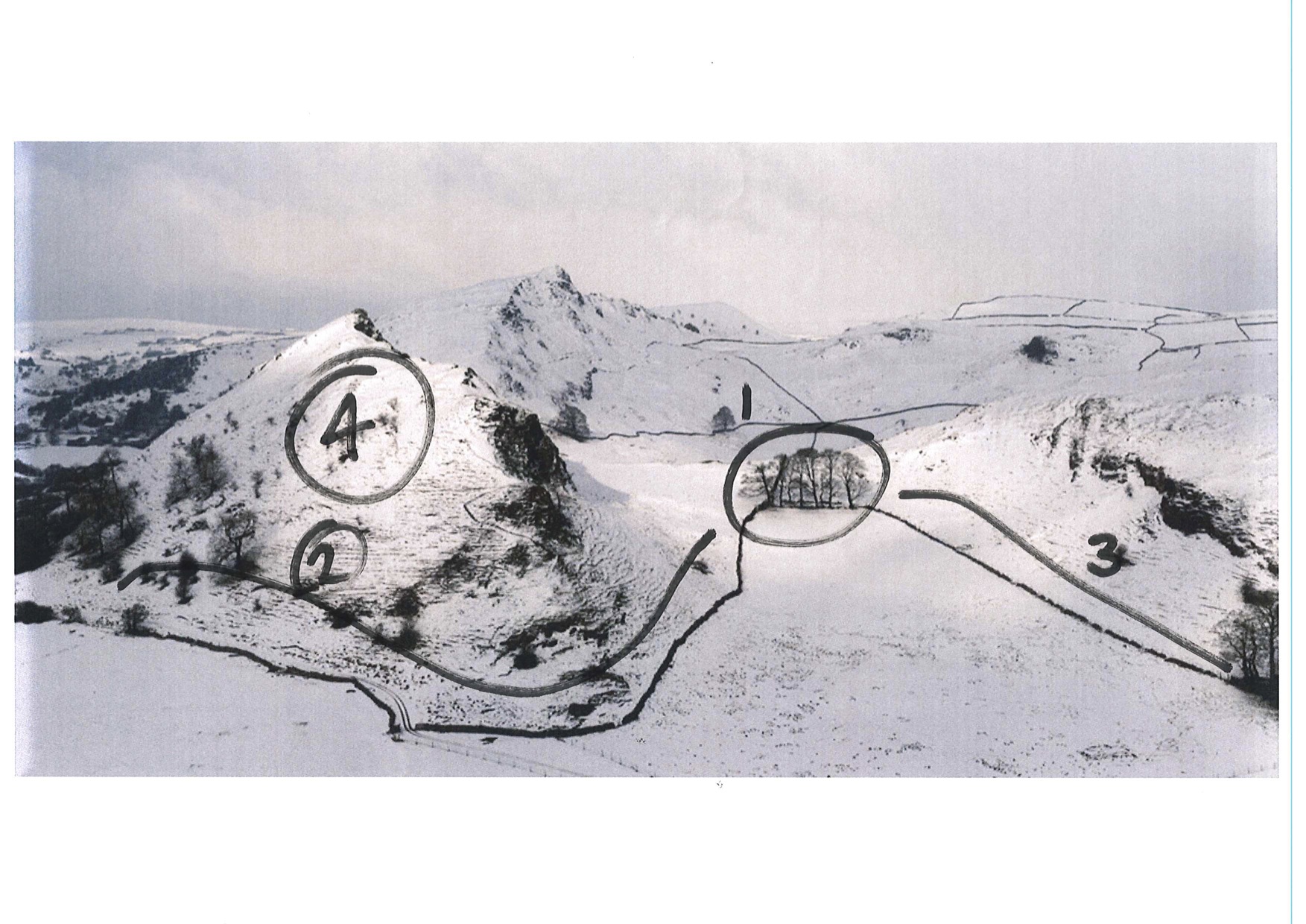
Parkhouse Hill and Chrome Hill
In this image (Pedlar, 2016), my eye starts by noticing the trees in the middle. Shortly after, the very strong line across the frame grabs my attention and goes back and forth along it, eventually resting at the dip of the line so leaving the rocky outcrop as my final place of focus.
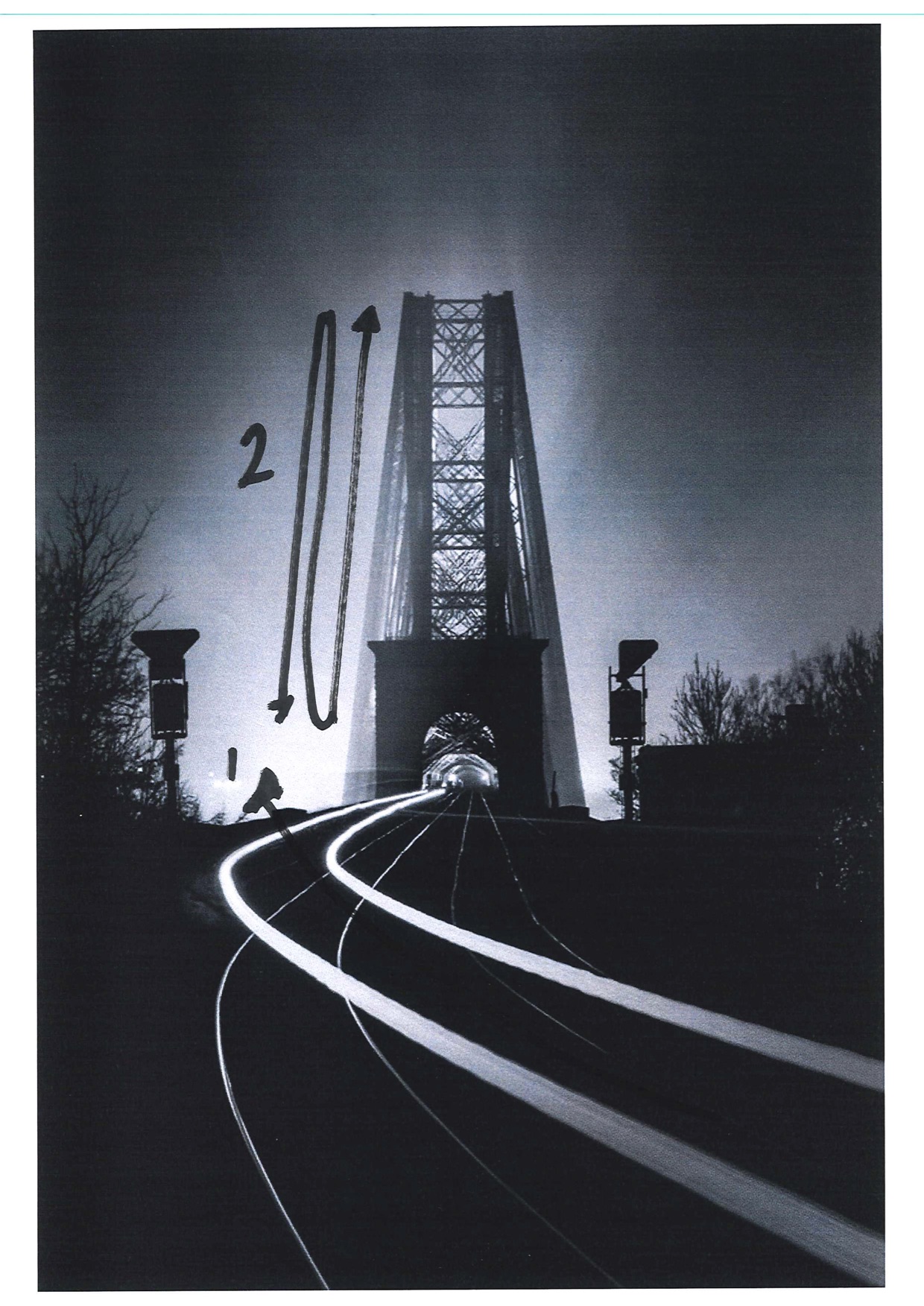
Northbound
Here (Queenan, 2017) has captured such a strong leading line that it even overpowers the huge imposing bridge that is the main subject of the image. I find my eyes very quickly follow the light tracks as leading lines and then come to rest on the bridge, which is where they stay.
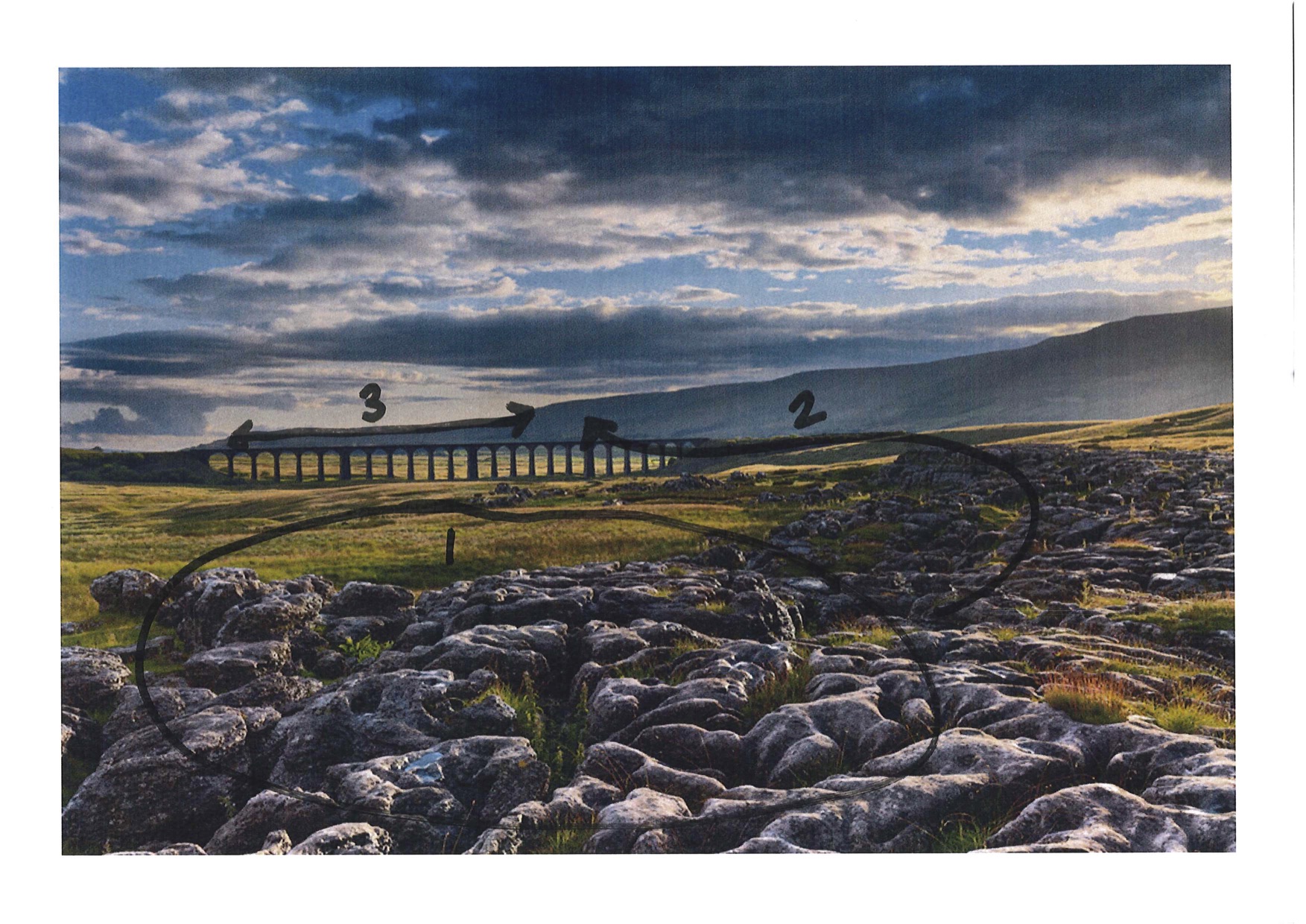
Sunshine Breaks Through
For this image (Taylor, 2017) has managed to position himself so that the rocky outcrop actually forms the start of a leading line to the bridge, which despite being small, is actually the main subject of the image. This is exactly how my eyes move, they start by scrutinising the rocks at the front of the frame, then follow the line created by the rocks, and then come to rest on the bridge. Travelling along the line of rocks has created a very strong sense of depth to the image.
Bibliography
Take-a-view.co.uk. (2016). 2016 Award Winners. [online] Available at: http://www.take-a-view.co.uk/2016-award-winners/ [Accessed 27 Feb. 2017].
Birks, M. (2016). Chrome Hill, Peak District, Derbyshire, England. [image] Available at: http://www.take-a-view.co.uk/2016-award-winners/ [Accessed 27 Feb. 2017].
Pedlar, J. (2016). Parkhouse Hill & Chrome Hill, Peak District, Derbyshire, England. [image] Available at: http://www.take-a-view.co.uk/2016-award-winners/ [Accessed 27 Feb. 2017].
Queenan, D. (2016). Northbound, Dalmeny Station, Scotland. [image] Available at: http://www.take-a-view.co.uk/2016-award-winners/ [Accessed 27 Feb. 2017].
Taylor, F. (2016). Sunshine Breaks Through. [image] Available at: http://www.take-a-view.co.uk/2016-award-winners/ [Accessed 27 Feb. 2017].